
Full Front PPF vs Full Body PPF for Singapore Drivers
Full Front PPF vs Full Body PPF for Singapore Drivers
Choosing between full front PPF and full body coverage comes down to where your car faces damage, how long you plan to keep it and what you want to spend. Ceramic Works offers Paint Protection Film for owners seeking a physical barrier against stone chips and light surface scratches. The useful question is not simply which package covers more, but whether that extra coverage protects areas that matter to you.
For many daily drivers, protecting the front is a practical starting point. For owners concerned about marks across the entire exterior, full body coverage deserves a closer look.
What Does Each PPF Package Cover?
PPF is a protective film applied over vehicle paint. Coverage names are not completely standardised, so always ask for a written panel list rather than relying on a package label.
Full Front PPF Coverage
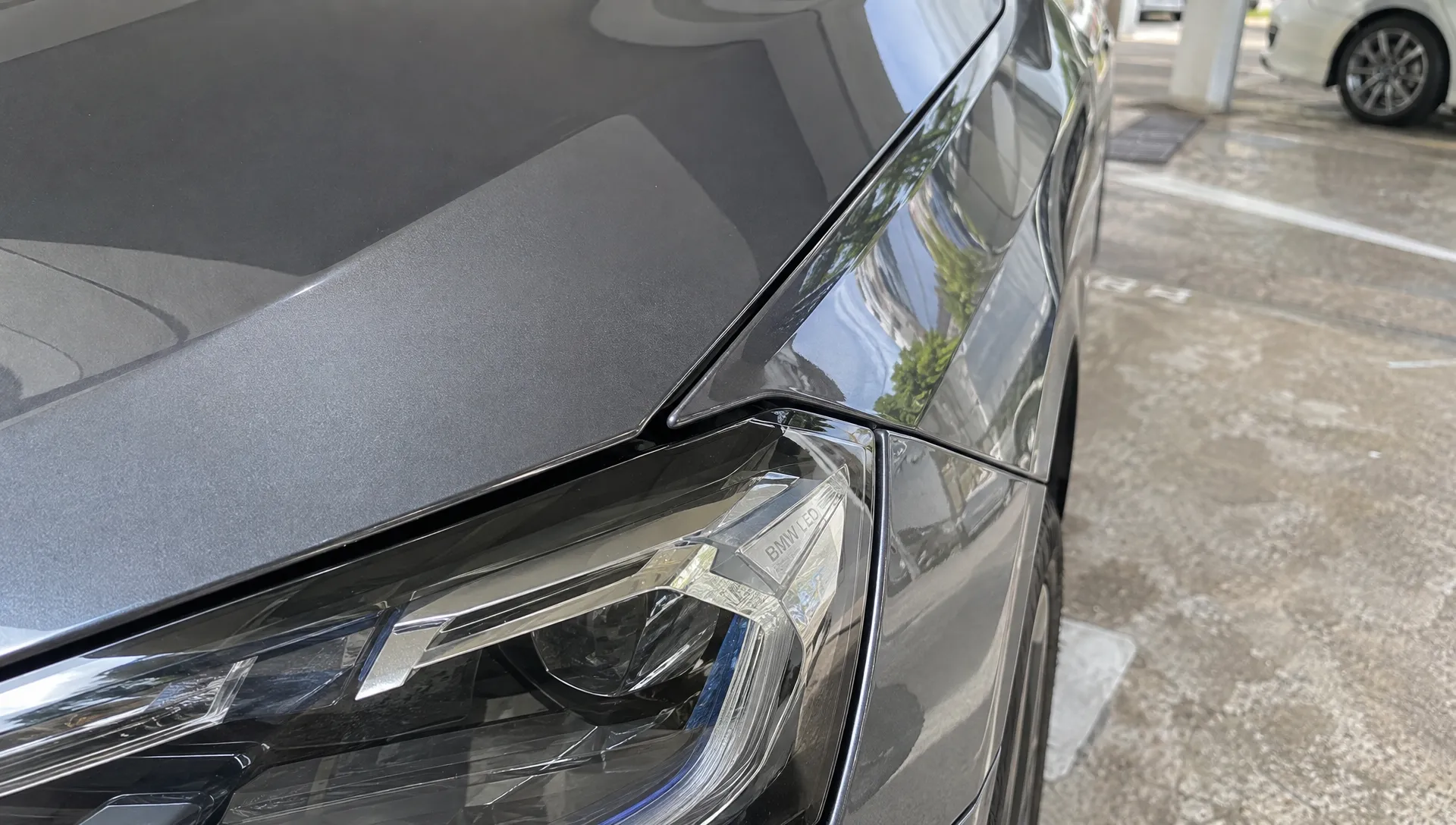
A typical front package covers the front bumper, entire bonnet, both front wings and painted mirror caps. These areas face forward or sit in exposed positions, making them common targets for road debris.
A full front PPF package should be distinguished from a partial-front installation, which may cover only a strip of the bonnet and wings. Complete-panel coverage avoids a film boundary running across the middle of those panels.
Mirror caps, headlights and smaller trim pieces may be treated differently between installers. Confirm what is included, especially around complex bumper shapes and air intakes.
Full Body PPF Coverage
Full body coverage generally extends protection to the doors, rear wings, rear bumper, roof and boot lid or tailgate, alongside the front panels.
However, “full body” does not necessarily mean every surface. Glass, wheels, textured plastic trim and interior surfaces are usually outside the painted-body scope. Roof configurations and difficult recesses may also affect coverage.
Ceramic Works’ full-body KubeBond PPF installation on a Volkswagen provides an example of this broader approach. For your own car, request confirmation of individual panels and exposed edges.
Full Front PPF vs Full Body PPF: Key Differences
With the same film and installation quality, the main difference is where protection exists, not greater strength simply because more panels are covered.
| Consideration | Front Coverage | Full Body Coverage |
|---|---|---|
| Typical scope | Front bumper, bonnet, front wings and mirror caps | Front panels plus remaining agreed painted exterior panels |
| Main protection priority | Forward-facing exposure to road debris | Broader exposure, including light surface contact along the sides and rear |
| Doors and rear panels | Usually unprotected | Protected where included |
| Upfront cost | Lower for comparable materials and workmanship | Higher because more film and installation work are required |
| Appearance | Film-covered and uncovered panels coexist | More consistent film coverage across the exterior |
| Maintenance | Covered and uncovered paint both need care | All covered panels still need regular washing and inspection |
For comparable packages, full front PPF concentrates spending on exposed front panels, while full body coverage extends the same type of barrier around the car. Neither option makes the vehicle immune to damage.
Which Coverage Fits Singapore Driving?
Singapore’s Meteorological Service describes its climate as having high humidity, abundant rainfall and relatively uniform temperatures. Those conditions make regular cleaning important, but climate alone does not determine how many panels you should protect.
Your routes, parking arrangements and tolerance for cosmetic marks are more useful decision factors.
Frequent Expressway Driving
If your routine involves the PIE, AYE or other expressways, front-panel protection is a logical priority. Debris thrown up by vehicles ahead can strike the bumper, bonnet and front wings.
Cross-border journeys can strengthen that case, particularly if they involve longer highway distances. Keeping a safe following distance still matters: film reduces certain risks but does not replace sensible driving habits.
Tight Car Parks and Side-Panel Exposure
If you regularly park in narrow bays, full front PPF leaves doors and rear wings outside its usual coverage. Full body protection can provide a sacrificial layer against some light surface rubbing in those areas.
It cannot reliably prevent a dent from another vehicle’s door or stop a deep scrape against a pillar. Choose broader coverage for realistic surface protection, not because you expect it to absorb every parking mishap.
Long-Term Ownership and Appearance Priorities
Owners keeping a car for several years may value protection beyond the front, especially when maintaining the original finish is a priority. Dark paint can also make fine marks more noticeable, increasing the appeal of broader coverage.
That does not guarantee a higher resale price or repayment of the installation cost. Treat PPF primarily as spending on paint preservation and appearance rather than an assured investment return.
How Should You Compare PPF Quotes?
A lower quote is not automatically better value. Compare the same scope, film specification and workmanship before deciding which coverage level suits your budget.
Confirm Panels and Installation Details
Ask whether the bonnet and front wings receive complete coverage. Also clarify which edges can be tucked around panel boundaries and where visible seams or relief cuts are necessary.
When comparing a full front PPF quote with a full body quote, check that both use the same film product. Otherwise, differences in material specification can obscure the actual cost of extending coverage.
The installer should assess existing chips, scratches and any repainted panels before application. Film will not erase damage beneath it, and compromised paint may require additional assessment before installation or eventual removal.
Check the Film Warranty and Aftercare
Request the film brand, product name and written warranty terms. Check which defects are covered, any exclusions and whether installation workmanship has separate support.
Also ask about the initial inspection, washing restrictions and the process for replacing a damaged section. Do not assume every warranty covers impact damage or every film has the same care requirements.
What Neither Package Can Promise
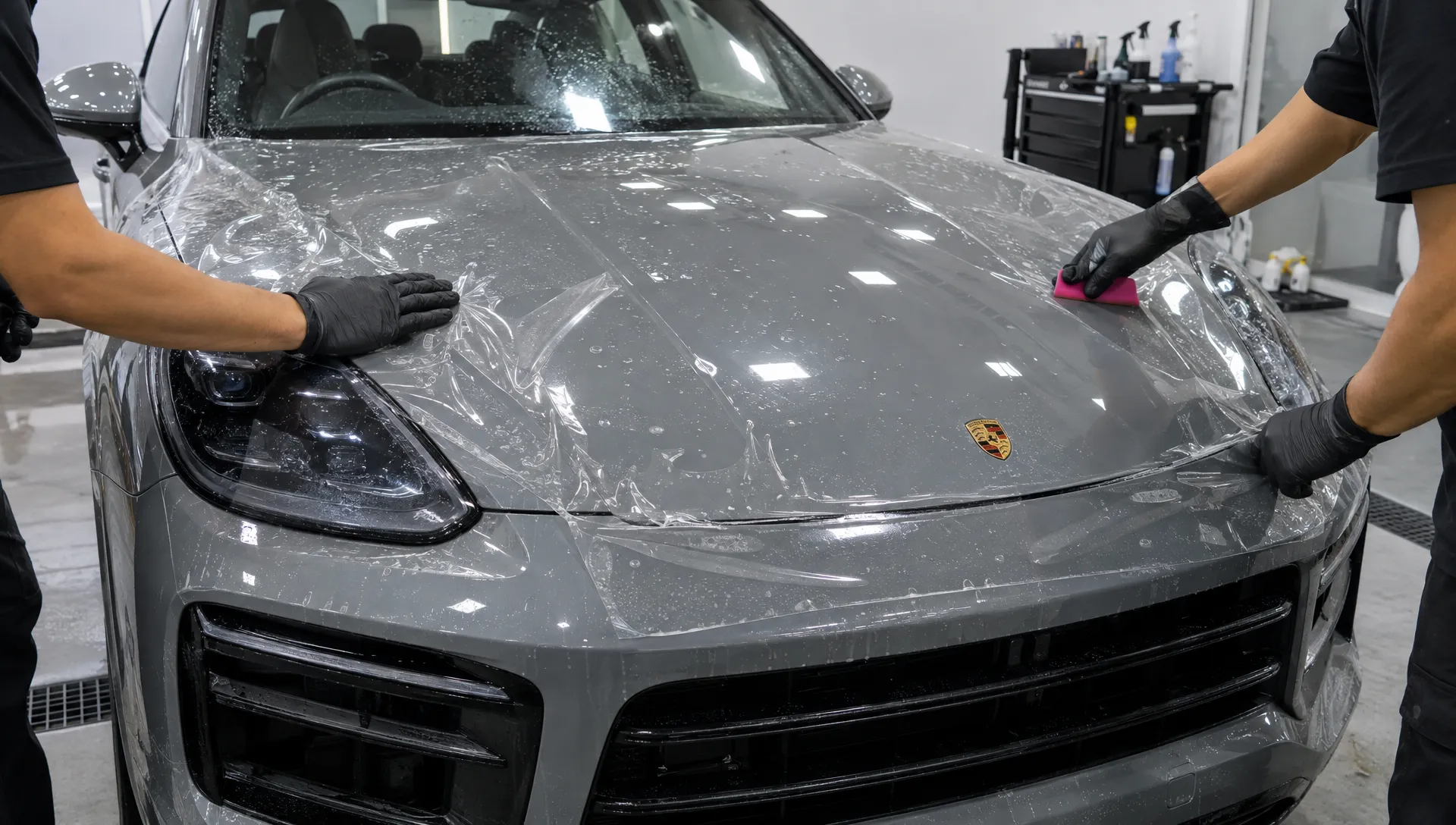
PPF is a sacrificial protective layer, not armour. A sufficiently sharp object or forceful impact can damage both film and paint. It does not prevent collision damage, panel dents or every stone chip.
Some films can recover from light surface swirls under specified conditions. That does not mean deep cuts, torn film or damage beneath the film will self-heal. Confirm the capabilities of the actual product being quoted.
Bird droppings, tree sap and other contamination should still be removed promptly using suitable methods. Follow the supplied washing guidance and avoid directing a pressure-washer jet at film edges.
A Practical Way to Choose
Choose full front PPF if front-end chips are your main concern, you want to limit upfront spending and you accept that doors and rear panels remain exposed.
Full body coverage is more appropriate if you want protection across the agreed painted exterior, care strongly about consistent appearance and can comfortably budget for the additional installation work.
If neither standard package fits, ask whether selected extra panels can be included. Door cups or other frequently touched painted areas may warrant attention, but availability and pricing should be confirmed rather than assumed.
The best choice matches your actual exposure. Paying for every panel is unnecessary if you do not value that coverage, while a front-only package will disappoint if side-panel marks are your main concern.
Frequently Asked Questions
Is Full Front PPF Enough for a Daily Driver?
It can be a sensible choice when road debris striking the front is the main concern. It does not protect most side and rear panels, so consider your parking environment as well as your daily mileage.
Can I Extend Coverage Later?
You can ask an installer about adding film to other panels later. Those panels will need inspection and preparation, and matching the appearance of older film may require consideration. Adding coverage does not reverse damage sustained beforehand.
Does Full Body PPF Prevent Door Dings?
No. Film may help with some superficial marks, but a door ding is deformation of the panel. Even with full body coverage, careful parking remains important.
How Much More Does Full Body Coverage Cost?
For equivalent film and workmanship, it costs more because it covers additional panels and requires more installation work. The difference depends on the vehicle’s size, body shape, preparation needs and agreed coverage. Request itemised quotes rather than relying on a universal price ratio.
Request a Quote Based on Your Driving Habits
When contacting Ceramic Works for a free quote, share your vehicle model, paint condition, usual routes and parking arrangements. Ask for the covered panels, film specification, warranty and aftercare requirements in writing.
Comparing those details will help you choose protection that suits your car without paying for coverage you do not need.