
How Automotive Protective Film Shields Your Car From Daily Damage
Every trip exposes your car paint to tiny impacts, harsh sunlight, acidic contaminants and careless contact from other vehicles. An automotive protective film helps by adding a clear, sacrificial layer over the paintwork, so everyday damage hits the film first instead of the original finish underneath.
For car owners in Singapore, that protection is not just for weekend supercars. New cars, daily commuters, EVs, SUVs and family cars all face the same mix of expressway debris, multi-storey car park knocks, tropical UV and rain. If you care about keeping your car looking fresh for longer, understanding how paint protection film works can help you decide where it fits into your car care plan.
How automotive protective film creates a barrier over paint
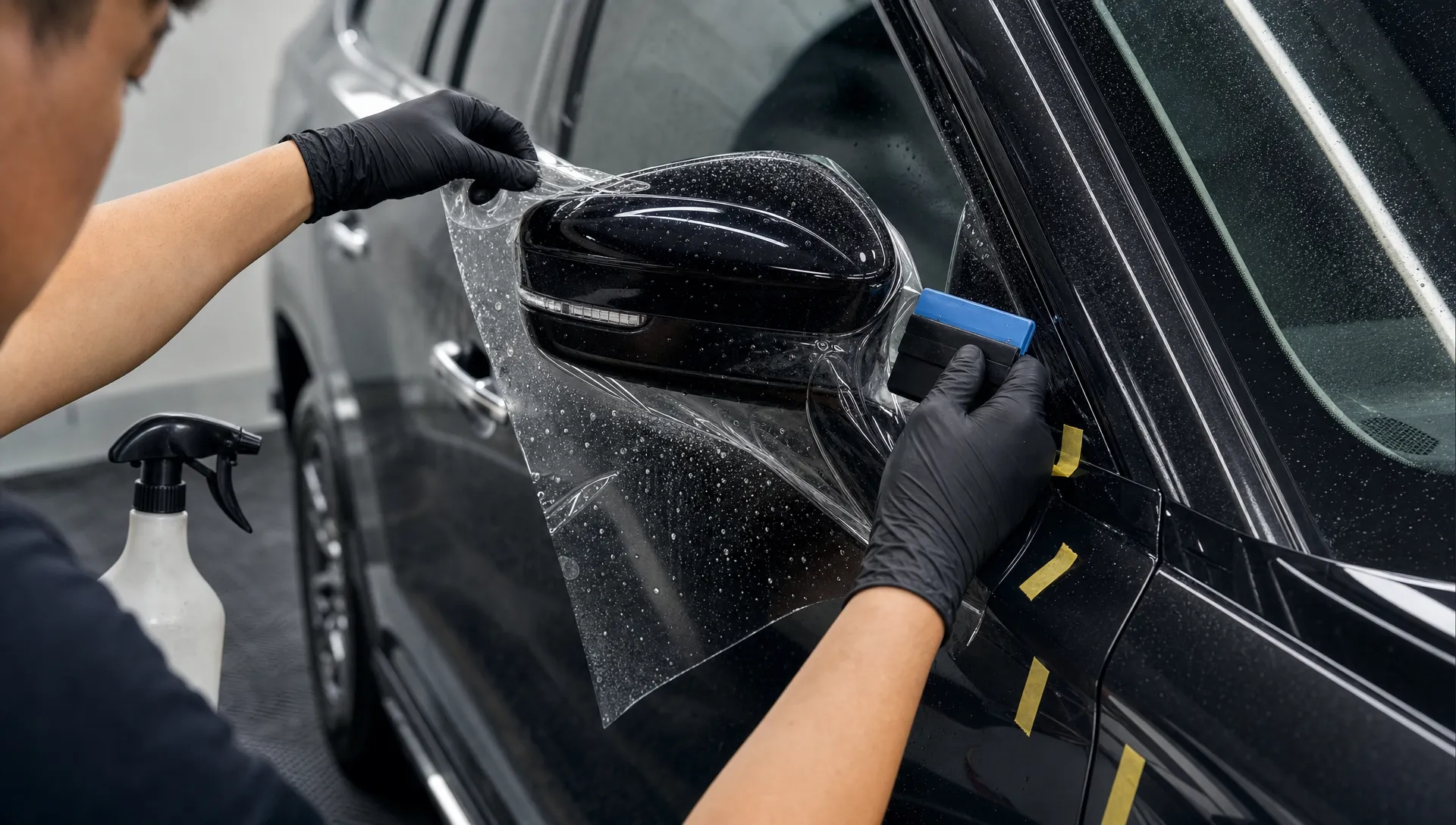
Paint protection film, often shortened to PPF, is a transparent polyurethane film applied over selected painted panels. It is designed to absorb light abrasion and impact that would otherwise mark the clear coat. The film is cut and fitted to the car’s contours, usually on high-risk areas such as the bonnet, bumper, mirrors, door cups and front fenders.
Unlike waxes or basic sealants, PPF is a physical layer. It does not simply add gloss or water beading. It gives your paint an extra surface to take the abuse from daily use, which is why installation quality matters so much. Edges, alignment and panel preparation affect how clean the finish looks.
When installed by trained detailers, automotive protective film can preserve the factory paint beneath while keeping the car’s appearance close to its original colour and shine. That is especially useful for new car owners who want protection before the first stone chip or door handle scratch appears.
The daily damage it helps prevent
Stone chips and road debris
Singapore roads may be well maintained, but your car is still exposed to small stones, sand, tyre fragments and construction dust thrown up by traffic. On expressways such as the CTE, PIE or ECP, even a tiny hard particle can leave a visible chip on the bonnet or front bumper when it hits at speed.
A well-selected automotive protective film reduces the chance that these small impacts reach the paint. It will not make a car indestructible, but it can turn what might have been a permanent paint chip into a mark on the film surface instead.
Car park scratches and contact marks
Daily parking is another major source of damage. Door edges, bags, fingernails, trolleys and tight HDB or mall car park spaces can all create scuffs. Door cups are especially vulnerable because repeated contact from fingernails and rings quickly creates visible scratches on darker paint.
PPF is useful in these areas because it takes the wear from repeated contact. Door cups, door edges, boot loading lips and side mirrors are small areas, but protecting them can make a big difference to how clean the car looks after months of normal use.
Sun, rain, bird droppings and tree sap
Singapore’s climate is tough on paint. Strong UV, heat, high humidity and sudden rain all contribute to oxidation, water spots and staining. The National Environment Agency’s UV Index regularly shows why parked cars here are exposed to intense sunlight during the day.
For Singapore drivers, automotive protective film adds a protective surface between the paint and common contaminants such as bird droppings, tree sap, road grime and light chemical fallout. These substances should still be removed quickly, but the film gives the underlying paint a better chance of staying intact.
PPF, ceramic coating, or both?
PPF and ceramic coating are often mentioned together, but they do different jobs. PPF is chosen mainly for impact and abrasion protection. Ceramic coating is chosen mainly for gloss, easier washing, UV resistance and hydrophobic performance. Many owners use both, especially when they want the physical protection of film with the slick feel and easier maintenance of a coating.
Ceramic Works specialises in KubeBond nano ceramic coating and also offers PPF, so the right choice depends on how you use your car, where you park and which panels are most exposed. If you want a broader explanation of paint protection beyond film, Ceramic Works has also covered why car paint protection matters for keeping a vehicle glossy and easier to maintain.
| Protection option | Best for | Main limitation |
|---|---|---|
| Wax or basic sealant | Short-term shine and water beading | Limited resistance to impact and abrasion |
| Ceramic coating | Gloss, easier washing, UV and contaminant resistance | Does not absorb stone chips like film |
| Paint protection film | Physical defence against chips, scuffs and light scratches | Requires skilled installation and proper care |
| PPF plus ceramic coating | Stronger all-round protection for daily use | Higher upfront planning than a basic grooming package |
Where should you apply protective film?
High-impact front end coverage
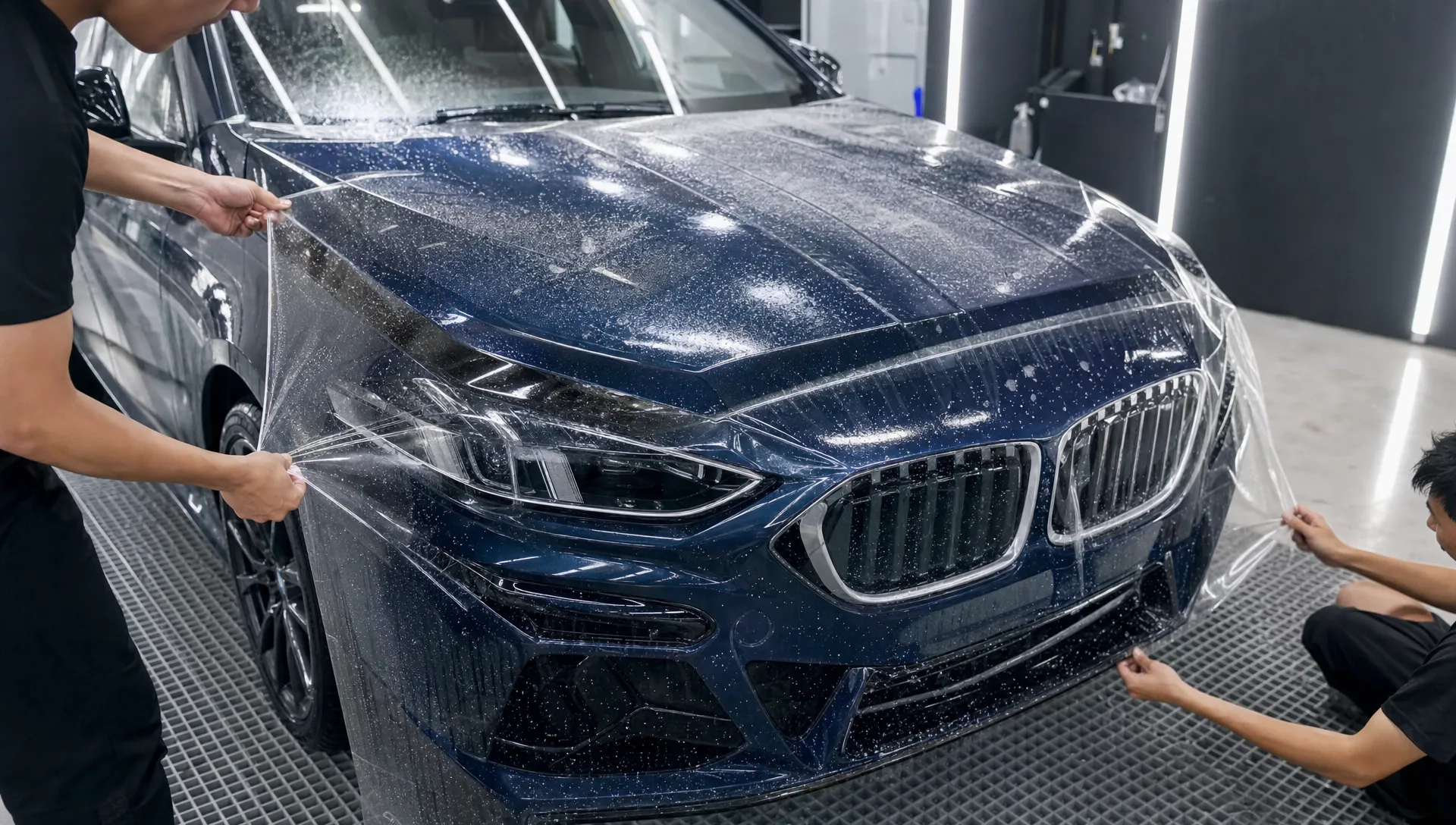
The front of the car usually suffers first. Bonnet edges, bumpers, headlights, mirrors and front fenders face road debris directly, especially for drivers who use expressways often. This is why many owners start with partial front coverage rather than wrapping every painted panel.
For an example of this practical approach, Ceramic Works’ showcase of a Tesla Model 3 in KubeBond Paint Protection Film shows how PPF is used to defend vulnerable painted surfaces from chips, scratches and road debris.
Full body coverage for maximum preservation
Full body PPF is more suitable for owners who want a higher level of paint preservation. This can make sense for new premium cars, dark-coloured vehicles, performance cars, EVs with smooth painted front panels or owners planning to keep their car looking close to showroom condition.
A full wrap is not only about preventing dramatic damage. It also reduces the accumulation of small defects across the entire car, which is often what makes a vehicle look aged. Ceramic Works’ BMW Z4 wrapped in KubeBond ION PPF is a useful reference if you are considering broader coverage.
What happens before and during installation
Good film work starts before the film touches the car. The paint should be cleaned, decontaminated and inspected so trapped dirt, stains or existing defects do not get sealed beneath the surface. On some vehicles, minor polishing may be recommended first to improve the final look.
The installer then patterns, positions and applies the film panel by panel. Curved bumpers, sharp creases and complex mirrors require patience because tension marks, trapped moisture and poor edge finishing can affect the result. This is where a certified or experienced detailer matters more than the film brand alone.
After installation, the car may need a short settling period. Light moisture pockets or haze can appear during curing, depending on the film and conditions. Your installer should explain what is normal, when to return for inspection and how soon to wash the car.
How to care for the film after installation
After installation, automotive protective film still needs sensible care if you want it to look clear and glossy. Wash the car regularly with a pH-neutral shampoo, avoid harsh degreasers unless advised by your detailer and do not scrub film edges aggressively with stiff brushes.
Pressure washers should be used with care around edges. If you send your car for outside washing, let the washer know the car has PPF so they avoid lifting corners with high pressure or aggressive towels. Machine polishing should also be handled by someone who understands film surfaces, since PPF behaves differently from paint clear coat.
For extra gloss and easier cleaning, some owners layer ceramic coating over PPF. This can improve water beading and reduce dirt adhesion, but it should be done with products suitable for film and applied by someone familiar with the material.
Is it worth it for a daily-driven car?
For a new car owner, automotive protective film is most valuable when installed early. Once the front bumper, bonnet and door cups are already chipped or scratched, film can still protect them going forward, but it cannot magically restore missing paint beneath.
The decision comes down to how much you value the car’s appearance, how long you plan to keep it and how exposed it is to daily wear. If your car is parked outdoors, used on expressways or finished in a dark colour that shows every mark, PPF becomes easier to justify.
It is also worth thinking in zones. You do not always need full body coverage. Many practical daily drivers benefit from protecting only the highest-risk panels first, then combining that with ceramic coating for gloss and simpler maintenance.
Frequently Asked Questions
Does paint protection film change the colour of my car? Quality PPF is designed to be clear, so it should preserve the original paint colour. The final appearance depends on film quality, installation skill and whether you choose a gloss, matte or other finish.
Can automotive protective film stop all scratches? No. It helps against light scratches, scuffs, road debris and minor abrasion, but deep cuts, hard impacts or accidents can still damage the film and paint beneath.
Should I install PPF on a brand-new car? Yes, if paint preservation is a priority. Installing film early protects the factory finish before daily driving creates chips, scratches and stains.
Can ceramic coating replace PPF? Not if your main concern is stone chips or physical abrasion. Ceramic coating improves gloss, hydrophobic behaviour and cleaning, but PPF provides the stronger physical barrier.
Protect your paint before daily driving leaves its mark
If you are unsure whether your car needs partial PPF, full body film or ceramic coating, get the paint inspected before deciding. A professional detailer can recommend coverage based on your car model, driving habits and parking environment.
Ceramic Works provides professional car paint protection and detailing services in Singapore, including KubeBond ceramic coating, PPF and related auto care services. To discuss the right protection plan for your car, request a no-obligation quote from Ceramic Works.