
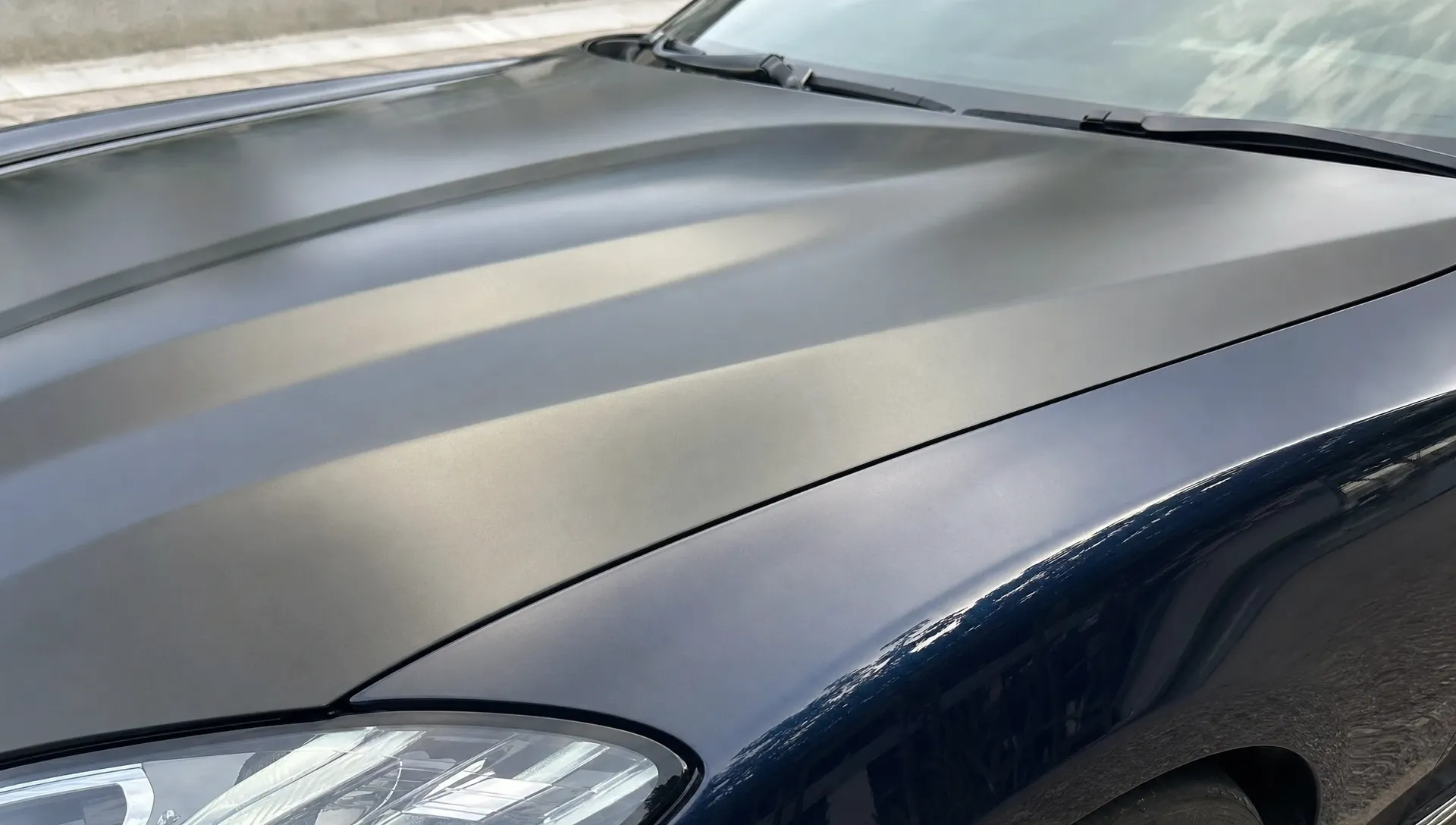
Paint Protection Film vs Ceramic Coating: Which Is Better for Your Car?
Paint Protection Film vs Ceramic Coating: Which Is Better for Your Car?
Keeping your car's paintwork in excellent condition takes more than regular washing and occasional polishing. Between Singapore's intense sunlight, unpredictable rain, road debris and everyday driving conditions, your vehicle's exterior faces constant exposure to elements that can gradually affect its appearance.
Two popular solutions for preserving automotive paintwork are Paint Protection Film (PPF) and ceramic coating. Both help protect your car's exterior, but they work differently and offer distinct advantages.
PPF provides a physical barrier against stone chips, scratches and minor impacts, while ceramic coating focuses on enhancing gloss, repelling water and making routine maintenance easier.
So, which is the better investment for your vehicle?
This guide compares paint protection film vs ceramic coating, including their benefits, limitations, durability and costs, to help you decide which option best suits your needs.
What Is Paint Protection Film (PPF)?
Paint Protection Film, commonly known as PPF, is a transparent polyurethane-based film applied to a vehicle's painted exterior surfaces. It creates a protective layer designed to absorb minor impacts and reduce damage to the original paintwork.
Unlike traditional waxes or surface coatings, PPF acts as a physical barrier between your vehicle's paint and external hazards.
For example, small stones and gravel thrown up by passing vehicles can strike your bonnet or front bumper, potentially leaving paint chips. PPF helps absorb some of that impact before it reaches the underlying paint.
Modern PPF products may also include self-healing technology, allowing certain superficial scratches to recover when exposed to suitable heat. Its self-healing film is designed to protect against stone chips, scratches, road debris and environmental exposure.
Key Benefits of Paint Protection Film
Stone chip protection: Helps absorb minor impacts from loose stones, gravel and road debris.
Scratch resistance: Reduces the likelihood of light scratches reaching the original paintwork.
Self-healing properties: Certain premium films can recover from superficial marks under suitable conditions.
Paint preservation: Helps maintain the vehicle's original factory paint colour and condition.
Flexible coverage: Can be installed on high-impact panels or across the entire vehicle.
However, PPF is not completely damage-proof. Severe impacts, sharp objects and deep scratches may still penetrate the film.
What Is Ceramic Coating?
Ceramic coating is a liquid protective treatment applied to a vehicle's exterior surfaces. Once properly cured, it forms a thin, chemically bonded protective layer over the paint's clear coat.
Unlike PPF, ceramic coating does not create a thick physical barrier against impacts. Its main purpose is to improve surface protection, enhance appearance and simplify maintenance.
One of its most noticeable features is its hydrophobic effect, which causes water to bead and roll off the surface more easily.
This helps reduce the accumulation of certain contaminants and makes washing more convenient.
Ceramic coatings can also enhance paint gloss and provide resistance to environmental contaminants such as bird droppings, road grime and tree sap. They are designed to deliver benefits such as gloss enhancement, UV resistance and easier maintenance.
Key Benefits of Ceramic Coating
Enhanced gloss: Creates a deeper, glossier appearance that highlights the vehicle's original paint colour.
Hydrophobic properties: Repels water and helps reduce dirt accumulation.
Easier cleaning: Makes many everyday contaminants easier to wash away.
UV protection: Helps reduce deterioration associated with prolonged sunlight exposure.
Chemical resistance: Provides additional protection against certain environmental contaminants.
However, ceramic coating does not make paint scratch-proof. It offers limited protection against stone chips, deep scratches and physical impacts.
Paint Protection Film vs Ceramic Coating: Key Differences
Although both treatments help preserve your car's exterior, their effectiveness depends on the type of protection you need.
Here's how they compare across six important factors.
1. Protection Against Scratches and Stone Chips
PPF has a clear advantage when it comes to physical protection.
Its flexible polyurethane construction helps absorb minor impacts from stones, gravel and road debris before they reach the painted surface.
This makes it particularly useful for vulnerable areas such as the front bumper, bonnet, side mirrors and front fenders.
Premium PPF products may also feature self-healing properties that help certain superficial scratches disappear.
Ceramic coating, on the other hand, creates a much thinner protective layer.
Although it can provide some resistance to minor surface marring, it cannot absorb stone impacts in the same way as PPF.
Better choice: PPF, particularly for drivers concerned about stone chips and physical paint damage.
2. Water Repellency and Stain Resistance
Ceramic coating is especially effective at creating a hydrophobic surface.
When water lands on treated paintwork, it forms beads that roll off more easily, often carrying loose dirt with them.
This makes routine washing more convenient and reduces how strongly certain contaminants adhere to the surface.
Traditional PPF may also offer water-repellent properties, although performance varies by product.
Modern ceramic-coated PPF combines the physical protective layer of film with additional hydrophobic and stain-resistant surface properties.
Better choice: Ceramic coating for its primary water-repellent function, although ceramic-coated PPF can provide similar maintenance benefits.
3. UV Protection and Paint Preservation
Singapore's tropical climate exposes vehicles to strong sunlight throughout the year.
Prolonged UV exposure can contribute to oxidation, fading and deterioration of automotive paintwork.
Both PPF and ceramic coating can provide additional protection against environmental exposure, depending on their formulations.
PPF helps shield the original paint beneath a protective film, while ceramic coatings may contain UV-resistant ingredients designed to preserve colour and clarity.
However, neither treatment completely eliminates the effects of ageing or environmental exposure.
Better choice: Both, provided the selected product offers appropriate UV protection.
4. Appearance and Gloss Enhancement
If your main priority is achieving a glossy, showroom-like appearance, ceramic coating is an attractive option.
Its surface properties can enhance the depth and clarity of your vehicle's existing paint, making it appear smoother and shinier.
PPF is generally designed to preserve the original appearance of the vehicle.
High-quality transparent films maintain paint visibility, while certain products offer glossy or satin-like finishes.
This gives car owners flexibility depending on whether they want to retain the factory look or achieve a different surface appearance.
Better choice: Ceramic coating for gloss enhancement, while PPF offers protection with additional finish options.
5. Durability and Maintenance
Both PPF and ceramic coating can provide long-term protection, but their durability depends on product quality, installation, driving conditions and maintenance.
PPF is generally designed to withstand physical wear over several years. However, damaged sections may eventually require replacement.
Ceramic coatings can also last for years, depending on the formulation and aftercare.
Neither treatment eliminates the need for regular cleaning.
PPF should be washed using suitable products and gentle techniques to avoid unnecessary surface damage.
Ceramic-coated vehicles also require proper maintenance to preserve their water-repellent properties and appearance.
Better choice: Depends on the product and maintenance requirements.
6. Cost and Long-Term Value
PPF generally requires a higher initial investment than ceramic coating.
This is because film installation involves specialised materials, careful panel preparation and labour-intensive application.
Costs also vary depending on whether you choose partial coverage or full-body protection.
Ceramic coating is typically more affordable, although prices depend on paint preparation, coating quality and the number of layers applied.
When comparing costs, consider your priorities rather than focusing only on the initial price.
PPF may help reduce the likelihood of certain paint repairs, while ceramic coating can make regular cleaning more convenient.
Better choice: Ceramic coating for a lower upfront investment; PPF for greater physical paint protection.
PPF vs Ceramic Coating: Comparison Table
| Feature | Paint Protection Film | Ceramic Coating |
|---|---|---|
| Stone chip protection | Strong protection against minor impacts | Minimal protection |
| Scratch resistance | Helps resist light scratches | Limited resistance to minor surface marring |
| Self-healing properties | Available in selected films | Generally unavailable |
| Water repellency | Varies; enhanced in ceramic-coated PPF | Strong hydrophobic properties |
| UV protection | Available in UV-resistant films | Available in selected formulations |
| Gloss enhancement | Preserves or enhances appearance | Enhances depth and shine |
| Maintenance | Regular washing required | Easier routine cleaning |
| Installation cost | Generally higher | Generally lower |
| Best suited for | Physical paint protection | Appearance and maintenance |
Ultimately, neither solution is universally better. The right choice depends on what you want to protect your vehicle against.
Which Is Better for Your Car: PPF or Ceramic Coating?
Choosing between PPF and ceramic coating becomes easier when you consider your vehicle's age, driving habits and protection priorities.
For New Car Owners
If you've recently purchased a new vehicle, protecting the original factory paintwork may be a priority.
PPF is particularly useful when applied before the vehicle develops noticeable scratches or stone chips.
Ceramic coating is also worth considering if your main goal is maintaining gloss and making regular cleaning easier.
For new car owners seeking comprehensive protection, combining compatible treatments may be beneficial.
For Daily Commuters
Daily driving exposes vehicles to road debris, dust, rain and environmental contaminants.
If you frequently travel on expressways, PPF can help protect vulnerable panels against flying stones and minor impacts.
However, if most of your driving involves shorter urban journeys and your main concern is keeping the car clean, ceramic coating may offer sufficient benefits for your priorities.
For Luxury and Performance Car Owners
Luxury and performance vehicles often have expensive paint finishes, making paint preservation an important consideration.
Full-body PPF may appeal to owners who want broader protection against physical damage.
For those who prioritise appearance and easier maintenance, ceramic coating can complement the vehicle's finish.
For Budget-Conscious Car Owners
You don't necessarily need full-body PPF to benefit from paint protection.
Applying film only to high-impact areas, such as the bonnet and front bumper, may be a practical compromise.
Alternatively, ceramic coating can offer useful surface protection and gloss enhancement at a generally lower initial cost.
The best option is one that addresses your main concerns without exceeding your budget.
Can You Apply Both PPF and Ceramic Coating?
Yes. PPF and ceramic coating can be used together, provided the products are compatible and installed according to the manufacturers' instructions.
Because they serve different purposes, combining them can provide a broader range of protective benefits.
PPF supplies the physical barrier against minor impacts, while a compatible ceramic coating adds surface properties such as water repellency and easier cleaning.
For example, you might install PPF on the vehicle's front bumper, bonnet and side mirrors, then apply ceramic coating to the remaining painted panels.
Another option is to apply a suitable ceramic coating over an installed PPF system.
However, not every coating is compatible with every film. Certain products may affect the film's flexibility, appearance or warranty conditions.
It's therefore important to consult a professional installer before combining treatments.
Some modern products also feature ceramic-coated PPF, incorporating hydrophobic properties directly into the film.
This offers an alternative for owners seeking physical paint protection alongside easier maintenance.
How to Decide Between Paint Protection Film and Ceramic Coating
Before choosing a treatment, consider these questions:
1. What type of damage concerns you most?
If you're worried about stone chips and scratches, PPF is generally the stronger option. If you want better gloss and easier cleaning, ceramic coating may be more suitable.
2. How frequently do you drive?
Regular expressway driving can increase exposure to road debris, making protective film particularly useful on vulnerable panels.
3. Where do you usually park?
Outdoor parking exposes vehicles to sunlight, rain, bird droppings and other environmental contaminants. Both treatments may help reduce certain effects of this exposure.
4. How long do you intend to keep your car?
If you plan to retain your vehicle for several years, investing in suitable paint protection may help preserve its exterior condition.
5. What is your budget?
Compare the cost of installation, coverage, maintenance and potential future repairs before deciding.
Answering these questions can help you identify which treatment offers the most practical value for your vehicle.
Frequently Asked Questions
Is PPF Better Than Ceramic Coating for Preventing Scratches?
Generally, yes. PPF offers a thicker physical barrier that helps protect against light scratches and minor impacts. Ceramic coating provides limited resistance to surface marring but is not designed to prevent deeper scratches or stone chips.
Does Ceramic Coating Protect Against Stone Chips?
Ceramic coating offers minimal protection against stone chips. Because the coating is relatively thin, it cannot absorb impacts as effectively as PPF. Paint protection film is the more suitable option for this purpose.
Can You Apply Ceramic Coating Over PPF?
Yes, provided the coating is compatible with the film. Applying an appropriate ceramic coating over PPF can enhance water repellency, surface slickness and maintenance convenience. Always check the film manufacturer's recommendations before application.
Protect Your Car With the Right Solution at Ceramic Works
When comparing paint protection film vs ceramic coating, the best option depends on what matters most to you.
PPF is ideal for protecting against stone chips, light scratches and everyday physical damage, while ceramic coating is particularly effective for enhancing gloss, repelling water and simplifying maintenance.
For car owners who want both benefits, compatible combinations or ceramic-coated PPF may provide a more comprehensive solution.
At Ceramic Works, we offer KubeBond Ceramic Coated Paint Protection Film, featuring self-healing technology, hydrophobic protection and Revolution Bonding Technology. We also provide Diamond 9H Ceramic Coating for owners looking to enhance their vehicle's appearance and surface protection.
With more than 25 years of combined experience, our team can recommend a suitable treatment based on your vehicle's condition, driving habits and protection needs.
Not sure whether PPF or ceramic coating is right for your car?
Contact Ceramic Works today for a free, no-obligation quotation and discover the most suitable way to protect your vehicle's paintwork.