
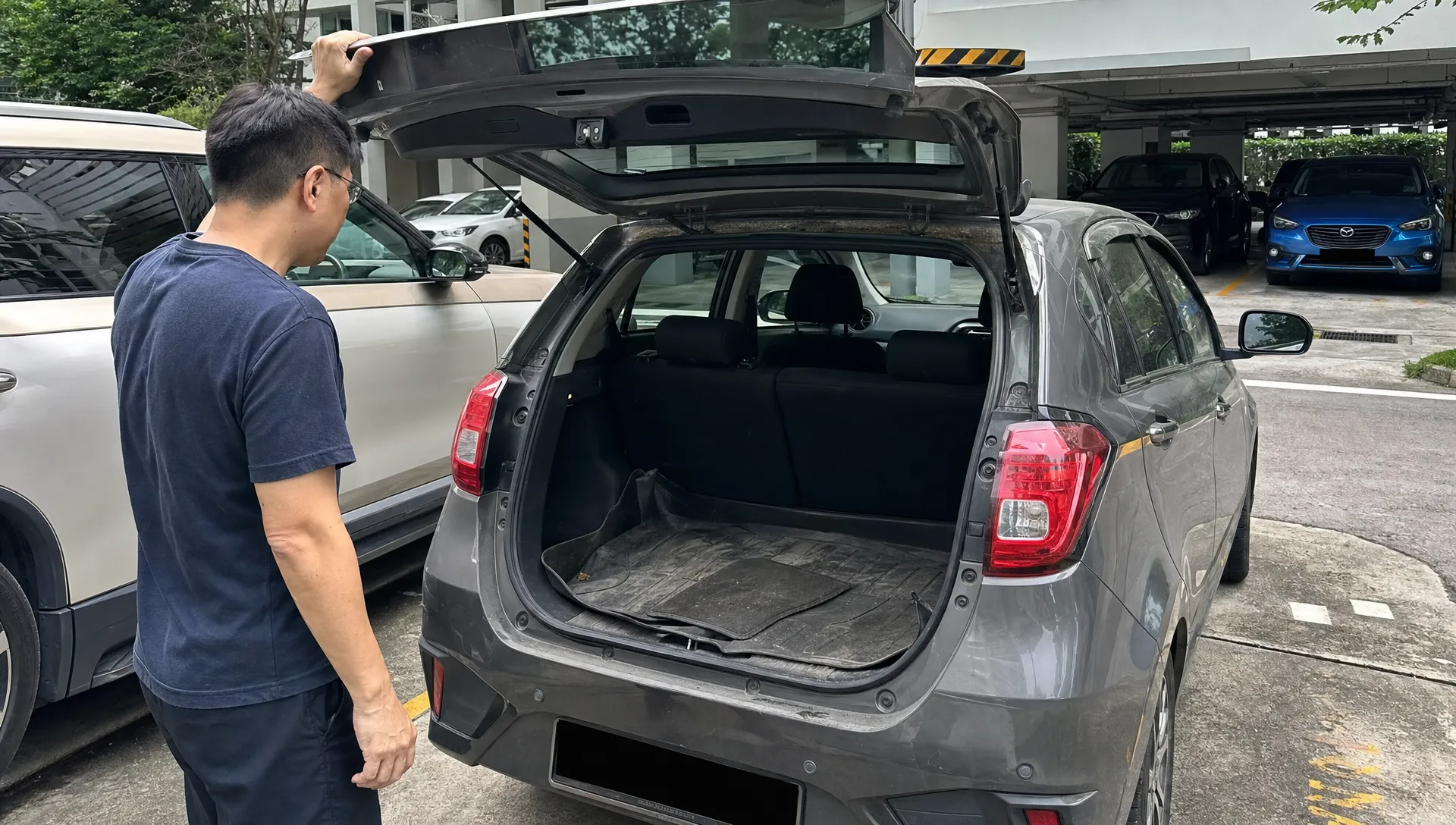
What Complete Car Detailing Includes for New and Used Cars
Whether you have just collected a new car or bought a pre-owned vehicle, complete car detailing is about resetting the whole car, not simply making it shiny for a weekend. It combines careful cleaning, paint assessment, correction where needed and surface protection so the car is easier to maintain in Singapore's heat, humidity and heavy rain.
New and used cars need different levels of work. A new car may still have dealer wash marks, bonded contaminants or light transport stains. A used car may need deeper correction, interior cleaning and stronger protection before it feels fresh again. Knowing what is included helps you compare quotes properly and avoid paying for a quick wash dressed up as a premium detail.
Singapore's climate makes this especially relevant. It is warm and humid throughout the year, which means paint, rubber trims, glass and interiors are constantly exposed to moisture, UV, road film and contaminants.
What complete car detailing includes at a glance
A proper detailing job is usually split into inspection, exterior cleaning, decontamination, paint correction, protection and interior care. The exact process depends on the car's age, paint condition, colour, usage and the level of protection selected.
| Detailing stage | What it covers | Why it matters |
|---|---|---|
| Initial inspection | Paint condition, scratches, water spots, trims, wheels and interior surfaces | Helps the detailer choose the right treatment instead of applying a one-size-fits-all package |
| Safe exterior wash | Pre-wash, contact wash and cleaning of gaps, badges and lower panels | Removes loose dirt without adding unnecessary swirl marks |
| Decontamination | Tar removal, iron fallout removal and clay treatment where needed | Clears bonded contaminants that normal washing cannot remove |
| Paint correction | Machine polishing to reduce swirls, oxidation and fine defects | Restores clarity and gloss before protection is applied |
| Surface protection | Wax, sealant, ceramic coating or paint protection film depending on package | Helps shield the finish from daily exposure and makes washing easier |
| Interior detailing | Vacuuming, surface cleaning, leather or fabric care and trim treatment | Improves hygiene, comfort and long-term cabin condition |
The goal is not to polish every car aggressively. Good detailers use the least aggressive process that achieves the desired result, especially on newer vehicles with healthy clear coat.
New cars: detailing before daily use
Many new owners assume a factory-fresh vehicle is already perfect. In reality, a car can pick up fine scratches during transport, storage, dealer preparation and handover washing. Light defects are especially visible on darker paint under strong lighting.
For a new vehicle, complete car detailing focuses on preserving original paint as early as possible rather than rescuing neglected paint. The process usually starts with a gentle wash and inspection, followed by removal of light bonded contaminants. If the paint has minor swirls or water marks, a light polish may be enough before coating or film is installed.
Protection is the key reason to detail early. A nano ceramic coating can add a hydrophobic surface that helps water, grime and light contaminants release more easily during future washes. Paint protection film, often called PPF, may be considered for impact-prone areas such as the front bumper, bonnet edges, side mirrors and door cups.
Ceramic Works has shown this approach on new vehicles, including a new Land Rover Defender prepared for detailing and protection. The principle is simple: protect the surfaces before daily driving, parking exposure and repeated washing create avoidable wear.
Used cars: detailing to restore and protect
Used cars usually need more diagnosis before any machine polishing begins. Previous washing habits, parking conditions, repaint work and owner maintenance all affect what can safely be corrected.
For a used vehicle, complete car detailing often starts with a more thorough inspection of paint depth, scratches, oxidation, stains and trim condition. Swirl marks can often be reduced significantly through polishing, but not every mark can or should be removed. A scratch that catches a fingernail may be too deep for polishing alone and may need touch-up paint or panel repair.
Interior work is also more important on pre-owned cars. Seats, carpets, steering wheels, buttons, vents and storage areas can hold years of oils, dust and odours. A deep interior clean can make the car feel newer even before any exterior correction is completed.
A used car does not need to be new to look impressive again. Ceramic Works has showcased an 8-year-old Honda Vezel that was polished, corrected and protected, which is a good example of how proper preparation can transform an older daily driver.
Exterior stages from wash to protection
Safe wash and decontamination
Detailing begins with safe cleaning. A good pre-wash loosens dust, road film and grit before contact washing. This reduces the chance of dragging abrasive particles across the paint. Lower panels, wheel arches and the rear of the car often need extra attention because they collect more road grime.
After washing, the detailer checks for bonded contaminants. These may include tar spots, brake dust, industrial fallout, tree sap and stubborn water deposits. Chemical decontamination and clay treatment help remove these particles, leaving the surface smoother and ready for polishing or protection.
Paint correction and refinement
Paint correction is the stage that separates real detailing from ordinary grooming. The detailer uses machine polishing, pads and compounds to reduce visible defects in the clear coat. On some cars, a single refining polish is enough. On more neglected paint, several correction steps may be needed.
The final finish should be clean, glossy and properly prepared before any coating is applied. Sealing contaminants or polishing oils under protection can affect bonding and reduce the quality of the result.
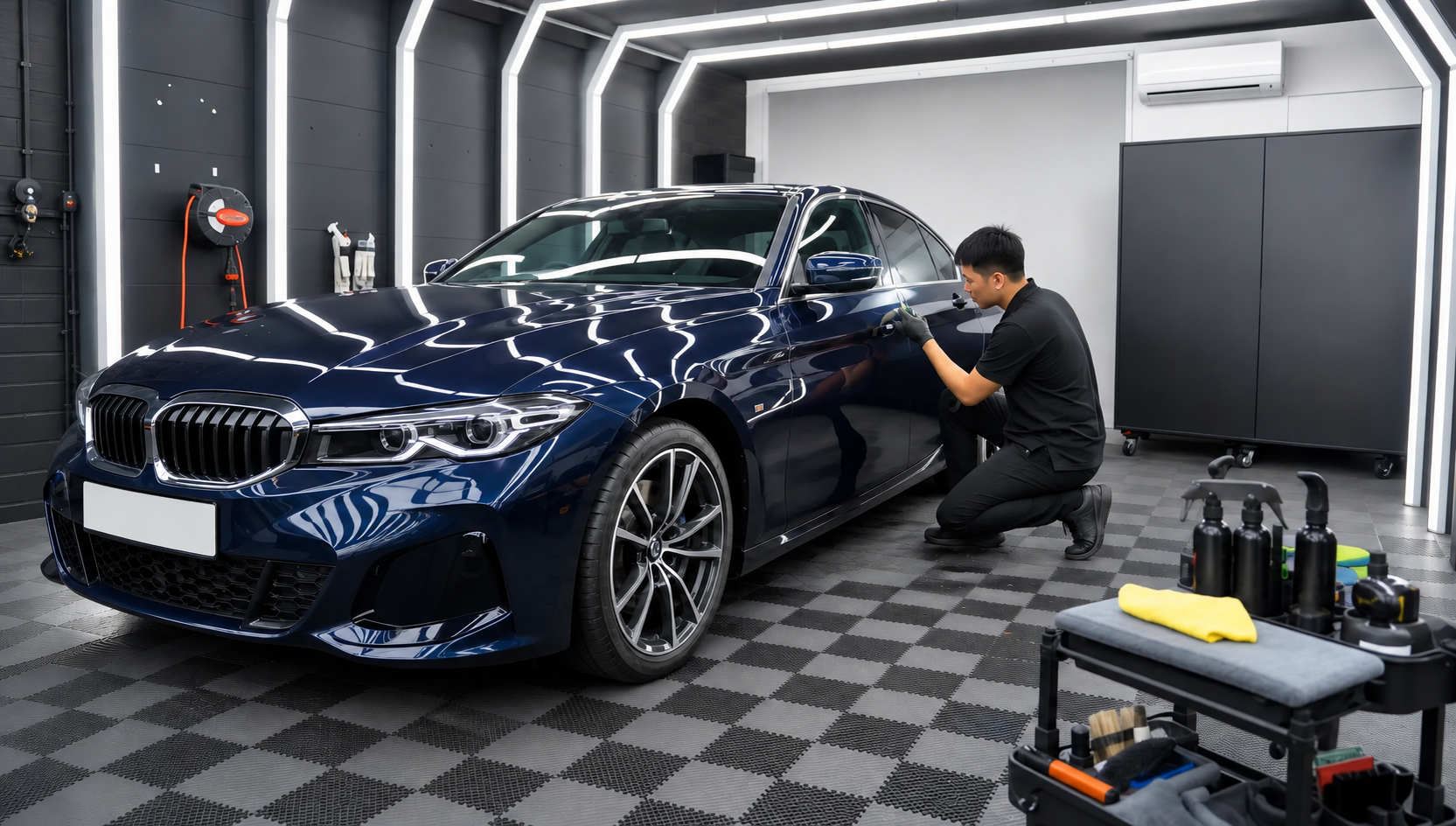
Interior detailing for comfort and hygiene
A clean exterior gets the attention, but the cabin is where owners spend their time. Interior detailing can include vacuuming, dust removal, cleaning of plastics, leather care, fabric cleaning, glass cleaning and attention to high-touch areas such as the steering wheel, gear selector, door handles and centre console.
The right approach depends on the materials inside the car. Leather should not be scrubbed harshly or left greasy. Fabric needs careful cleaning so it does not stay damp for too long in Singapore's humid climate. Piano black trims and digital displays should be handled with soft materials to avoid fine scratches.
A complete car detailing service should treat the cabin as part of the car's long-term condition, not as an afterthought. For families, pet owners and drivers who eat in the car, interior work can be just as valuable as paint correction.
Ceramic coating, PPF and other protection choices
Once the car is clean and corrected, protection determines how well the finish holds up. Ceramic Works specialises in KubeBond nano ceramic coating, which is designed to help protect vehicle paint from UV rays, contaminants, scratches and weathering while giving the car a glossy finish. As with any coating, correct preparation and trained application matter.
In Singapore, complete car detailing becomes more valuable when the final protection is chosen for how the car is used. A weekend car, family MPV and daily parked-outdoor sedan may not need the same protection plan.
| Protection option | Best suited for | Key benefit |
|---|---|---|
| Wax or sealant | Short-term gloss and basic protection | Lower commitment, but typically less durable than coatings |
| Nano ceramic coating | Owners who want gloss, hydrophobic behaviour and easier washing | Durable paint protection when properly applied and maintained |
| Paint protection film | High-impact zones and owners concerned about stone chips | Physical barrier for selected painted surfaces |
| Interior protective coating | Leather or cabin surfaces that see regular use | Helps reduce wear and makes cleaning easier |
| Solar film | Heat and glare management | Improves cabin comfort and helps reduce sun exposure |
If you are comparing paint protection methods, Ceramic Works also has a helpful overview on why modern car paint protection matters, especially for owners who want a glossy finish without constantly fighting water spots and grime.
How often should you detail a car?
How often you book complete car detailing depends on where the car is parked, how frequently it is washed and whether it already has a coating or film. A garaged weekend car may need less frequent correction than a daily driver parked outdoors under trees.
As a practical guide, new cars benefit from early protection soon after handover. Used cars should be assessed when purchased, especially if you want to correct previous neglect before maintaining the finish. After a ceramic coating or PPF installation, maintenance washes and periodic inspections help keep the protection performing properly.
Before booking, ask the detailer what is included in the package. Useful questions include whether paint correction is included, how the interior is treated, what protection is applied, how long the car must stay at the workshop and what maintenance is recommended after collection.
Frequently Asked Questions
Is complete car detailing worth it for a brand new car? Yes, if you want to protect the paint before daily use. New cars can still have light swirls, bonded contaminants and water marks from transport or dealer preparation, so early detailing helps start ownership on a cleaner foundation.
Can detailing remove all scratches? No. Machine polishing can reduce many swirl marks and light scratches, but deep scratches that cut through the clear coat may need touch-up paint, repainting or panel repair. A proper inspection should set realistic expectations before work begins.
How is detailing different from a car wash? A car wash mainly removes visible dirt. Detailing is more thorough and can include decontamination, polishing, interior cleaning and protective treatments such as ceramic coating or PPF.
Should I choose ceramic coating or paint protection film? Ceramic coating is popular for gloss, hydrophobic behaviour and easier washing. PPF is better for areas exposed to stone chips and physical impact. Some owners use both, with film on high-impact zones and coating on the rest of the vehicle.
Ready to protect your car properly?
A new car deserves protection before wear starts, and a used car deserves proper correction before more gloss is added. Ceramic Works provides professional car paint protection and detailing services in Singapore, including KubeBond nano ceramic coating, PPF, grooming, solar film and vinyl wrapping.
If you want advice based on your car's actual condition, request a no-obligation quote from Ceramic Works and let trained detailers recommend the right level of care for your vehicle.