
When Does Your Car Need Paint Correction Before Ceramic Coating?
Ceramic coating can make a car look wetter, glossier and easier to clean, but it does not perform magic on the paint underneath. If the paint has swirl marks, water spots, oxidation or fine scratches, a transparent coating may make those defects more obvious instead of hiding them.
That is why paint correction is often discussed before ceramic coating. For many Singapore car owners, the real question is not whether ceramic coating is worth it, but whether the car’s paint is ready for it.
What paint correction does before ceramic coating
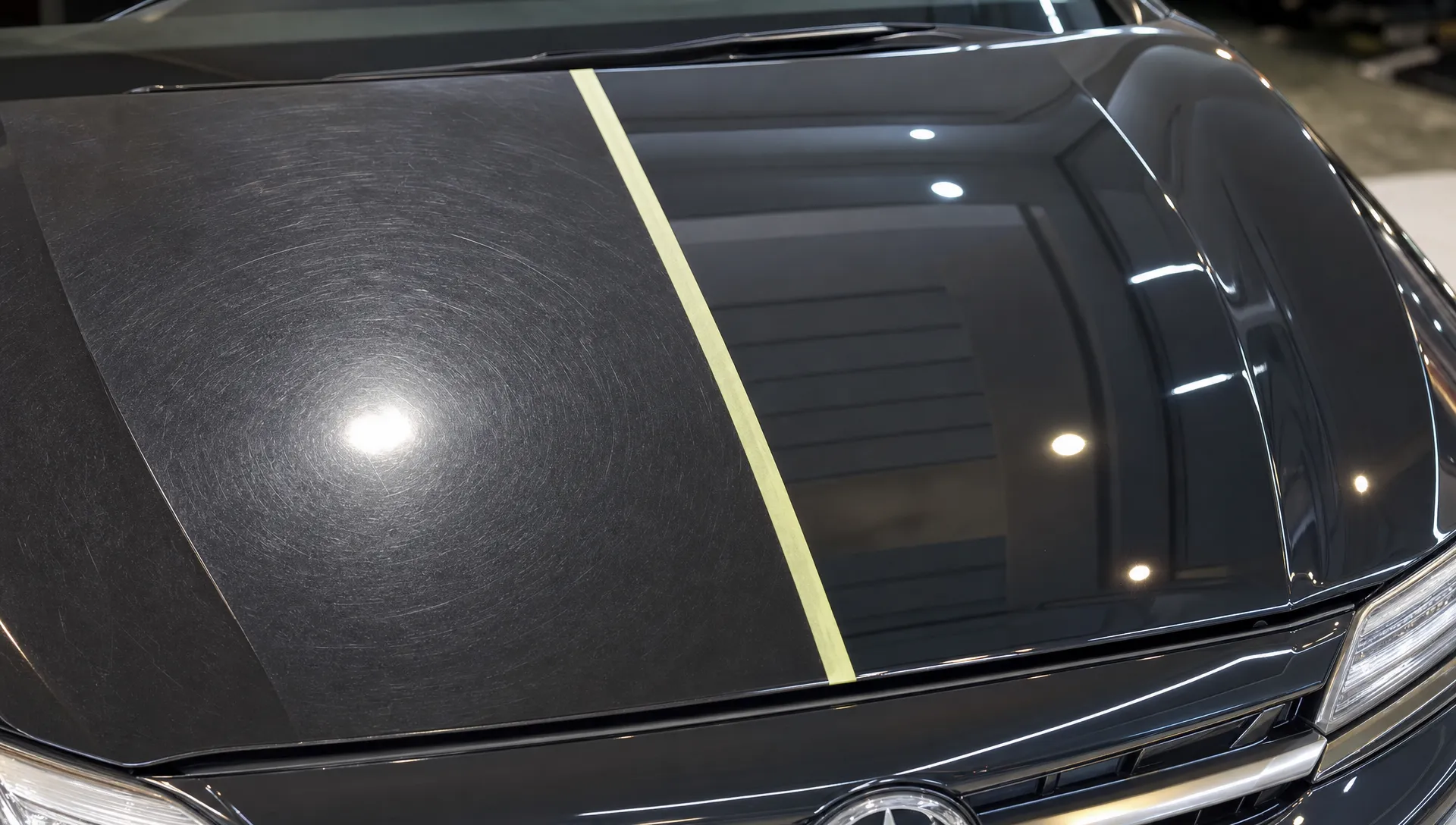
Paint correction is a polishing process that removes or reduces defects in the clear coat. A detailer uses machine polishers, pads and compounds to level very fine imperfections, restoring clarity and gloss before any protective layer is applied.
Ceramic coating then bonds to that prepared surface. Since the coating is transparent, it preserves the look of the paint at the time of application. If the paint is clear and glossy, the finish can look sharper. If the paint is dull or swirled, those defects remain visible under the coating.
This is the main reason professional detailers inspect the paint first. The best result comes from matching the preparation work to the actual paint condition, not applying the same process to every car.
Clear signs your car needs paint correction first
A car does not need full paint correction just because it is not brand new. Some vehicles only need a light polish, especially if they have been washed carefully and parked under shelter. Others need more work before ceramic coating makes sense.
Look for these signs before booking your ceramic coating appointment:
- Swirl marks under bright light: Circular or spiderweb-like marks are usually caused by improper washing, drying or automated car washes.
- Hazy or dull paint: If the colour looks flat even after washing, the clear coat may need polishing to restore clarity.
- Water spots that do not wash off: Mineral deposits from rain, sprinklers or poor drying can etch into the surface over time.
- Fine scratches from daily use: Light scratches around door handles, boot areas and side panels may be correctable before coating.
- Bird dropping or tree sap marks: Acidic contaminants can stain or etch the clear coat, especially when left under Singapore heat.
- Uneven gloss between panels: One panel may look less reflective because of previous repairs, sun exposure or harsher wear.
- Visible polishing haze from past work: Poor machine polishing can leave buffer trails or holograms that should be refined before coating.
If these defects are visible after a proper wash, ceramic coating alone will not remove them. The coating may add gloss, but it will not level the paint surface the way correction does.
Does a new car need paint correction before ceramic coating?
New cars can still need paint correction. Many owners assume fresh from the showroom means flawless, but a car can pick up defects during shipping, storage, dealer washing or pre-delivery preparation.
Common new-car paint issues include light swirls from washing, adhesive residue from protective wrapping, faint water spots and minor handling marks. These are not always severe, but they matter if you want the best possible finish from ceramic coating.
For a new car, the detailer may recommend a light refinement polish instead of heavy correction. This removes minor defects, improves gloss and prepares the surface for coating without taking off unnecessary clear coat. The goal is not to polish aggressively. The goal is to prepare the paint just enough for a clean, consistent bond.
If you are choosing a coating package for a new vehicle, the level of prep should be part of the discussion. Ceramic Works has a useful guide on how to choose the right ceramic coating package in Singapore, which can help you understand how coating layers and preparation work fit together.
Defects ceramic coating can and cannot hide
Ceramic coating is designed for protection and surface performance. It helps create a slick, hydrophobic layer that resists dirt, contaminants and UV exposure. It is not bodywork, repainting or deep scratch repair.
| Paint condition | Can paint correction help? | Can ceramic coating hide it? | Best approach |
|---|---|---|---|
| Light swirl marks | Yes | No | Polish or refine before coating |
| Fine clear-coat scratches | Often | No | Inspect depth, then correct if safe |
| Light oxidation or dullness | Yes | No | Polish to restore clarity before coating |
| Water spots | Sometimes | No | Decontaminate, polish if etched |
| Deep scratches that catch a fingernail | Limited | No | Touch-up, repainting or accept as-is |
| Stone chips | No | No | Touch-up paint or paint protection film may help prevent future chips |
| Clear coat failure | No | No | Repainting is usually required |
A simple rule works well: if the defect is in or on the clear coat, correction may improve it. If the defect cuts through the clear coat, exposes base colour or has damaged the paint system, coating will not repair it.
The principle is similar in many appearance-focused services. Preparation affects the final finish, whether it is car paintwork or beauty services where a professional hair salon assesses the hair condition before applying colour so the end result looks even, glossy and healthy.
How detailers decide the right level of paint correction
Not every car needs the same correction process. A well-maintained one-year-old car may only need a single-stage polish, while an older daily driver with heavy swirl marks may need more intensive work.
| Correction level | Suitable for | Expected outcome |
|---|---|---|
| No correction or minimal prep | Very clean paint with almost no visible defects | Surface is cleaned and prepared for coating |
| Gloss enhancement polish | New or well-kept cars with light haze | Better shine, improved clarity, minor defect reduction |
| Single-stage correction | Moderate swirls and light scratches | Noticeably cleaner reflections and stronger gloss |
| Multi-stage correction | Heavier defects, dull paint or older cars | Higher defect removal, deeper clarity and more refinement |
| Paint repair or repainting | Deep scratches, chips or failed clear coat | Restores damaged areas before coating is considered |
A professional detailer should also consider paint thickness, paint type and whether any panels have been repainted. Some factory paint systems are harder, while others correct faster. Some older cars have less clear coat available for polishing. Removing too much clear coat is never a good trade-off for short-term gloss.
This is especially relevant for older vehicles. If you want to see how correction can transform aged paint before coating, Ceramic Works has showcased an 8-year-old car that looked refreshed after paint correction and KubeBond nano ceramic coating.
Why Singapore driving conditions make paint preparation important
Singapore’s climate is tough on car paint. Strong UV exposure, heavy rain, humidity, bird droppings, tree sap, construction dust and road grime can build up quickly. Many owners also wash their cars in basement car parks or at public washing bays, where dirty cloths and rushed drying can create fine scratches.
Ceramic coating helps by creating a hydrophobic surface that is easier to wash and less prone to contaminant bonding. But if contaminants have already stained or etched the paint, proper decontamination and correction should happen first.
This is why the inspection stage matters. A car that looks clean in normal shade can reveal swirl marks and water spots under direct light. A trained detailer will usually check the paint under inspection lamps, feel the surface for bonded contaminants and assess whether claying, polishing or deeper correction is needed.
How to inspect your car before booking ceramic coating
You do not need professional tools to get a rough idea of your paint condition. A basic inspection helps you ask better questions when requesting a quote.
Wash the car properly first, then look at the paint under bright sunlight or a strong white light. Check the bonnet, roof and boot because these horizontal surfaces usually suffer the most from UV exposure, rain and water spotting. Then inspect high-touch areas such as door handles, side mirrors, boot ledges and the area around the fuel cap.
Run clean fingers lightly over the paint after washing. If it feels rough, there may be bonded contaminants that need chemical decontamination or clay treatment before polishing and coating. If the paint feels smooth but looks dull or scratched under light, polishing may be required.
When speaking to a detailer, ask these practical questions:
- Will you inspect the paint before recommending a package? A proper recommendation should come after seeing the vehicle, not only from its age.
- Is polishing included or quoted separately? Coating and correction are related, but they are not the same job.
- How much defect removal is realistic? A responsible detailer should explain what can be improved safely and what cannot.
- Will deep scratches need touch-up or repainting? This prevents disappointment after coating.
- How should I maintain the coating after collection? Poor washing can create new swirls even on a coated car.
How paint correction affects ceramic coating price
Paint correction can affect the total price because it is labour-intensive. The more defects the paint has, the more time is needed to clean, decontaminate, polish and refine the surface before coating.
This is why two cars of the same model may receive different quotes. One may be nearly new and need only light prep. Another may have years of swirl marks, hard water stains and past polishing haze. The coating product may be similar, but the preparation time is not.
If you are comparing quotes, avoid looking only at the number of coating layers. Ask what surface preparation is included. A cheaper coating package with little preparation may not produce the finish you expect, especially if your paint already has visible defects. For a broader view of cost factors, Ceramic Works explains what affects ceramic coating prices in Singapore and why inspection matters before choosing a package.
When paint correction may not be necessary
Paint correction is valuable, but it should not be treated as automatic. It may not be necessary if the car has recently been corrected, the paint is still clear under inspection lighting or you are prioritising protection over a near-perfect finish.
Some owners also choose to coat a daily-driven car without chasing every tiny mark. That can be sensible if the vehicle is used heavily, parked outdoors or likely to pick up new wear. In that case, the detailer may recommend a light polish and coating rather than an intensive multi-stage correction.
The right approach depends on your expectations. If you want a showroom finish, defects should be corrected before coating. If you want practical protection and easier washing, a lighter preparation may be enough.
Paint correction, ceramic coating and PPF: which comes first?
Paint correction usually comes before ceramic coating. If paint protection film is being installed, the detailer may correct the paint first, install the film on selected panels, then apply coating where appropriate. This sequence depends on the car, the film coverage and the coating system used.
PPF is useful for areas exposed to stone chips and physical impact, such as the front bumper, bonnet, side mirrors and door edges. Ceramic coating is more about chemical resistance, gloss, slickness and easier cleaning. They can complement each other, but they solve different problems.
If your car already has scratches, chips or repainting needs, settle those issues before committing to coating. Coating over unresolved defects usually leads to a neater protected defect, not a repaired one.
Frequently Asked Questions
Is ceramic coating paint correction always required? No. Paint correction is only required when the paint has visible defects such as swirl marks, haze, oxidation or water spots. Very well-maintained cars may only need decontamination and light polishing before coating.
Can ceramic coating remove scratches? No. Ceramic coating does not remove scratches. Light scratches may be reduced through paint correction before coating, but deep scratches may need touch-up paint, repainting or another repair method.
Should I do paint correction on a brand-new car? Sometimes. New cars can have light swirls, water spots or handling marks before delivery. A light refinement polish may improve gloss and prepare the paint for better coating results.
Will paint correction damage my car’s paint? Proper paint correction by a trained detailer should be controlled and safe. The detailer should avoid unnecessary aggressive polishing, especially on thin, aged or repainted panels.
How long after paint correction should ceramic coating be applied? Ceramic coating is usually applied after the paint has been corrected, refined and wiped down according to the coating system’s preparation process. Your detailer should follow the product’s application requirements.
Can I correct paint after ceramic coating? Polishing after coating can remove or weaken the coating. If correction is needed, it is usually better to do it before coating. If your coated car has new defects, ask a detailer to inspect it before polishing.
Get your paint assessed before coating
The easiest way to know whether your car needs paint correction before ceramic coating is to have the paint inspected under proper lighting. Guessing from photos or choosing a package based only on car age can lead to the wrong level of prep.
Ceramic Works provides professional car paint protection and detailing services in Singapore, including KubeBond nano ceramic coating, paint protection film, car grooming and related auto care services. If you want a glossy, protected finish that starts with the right preparation, request a no-obligation quote through Ceramic Works and let a trained detailer assess your paint before recommending the next step.