
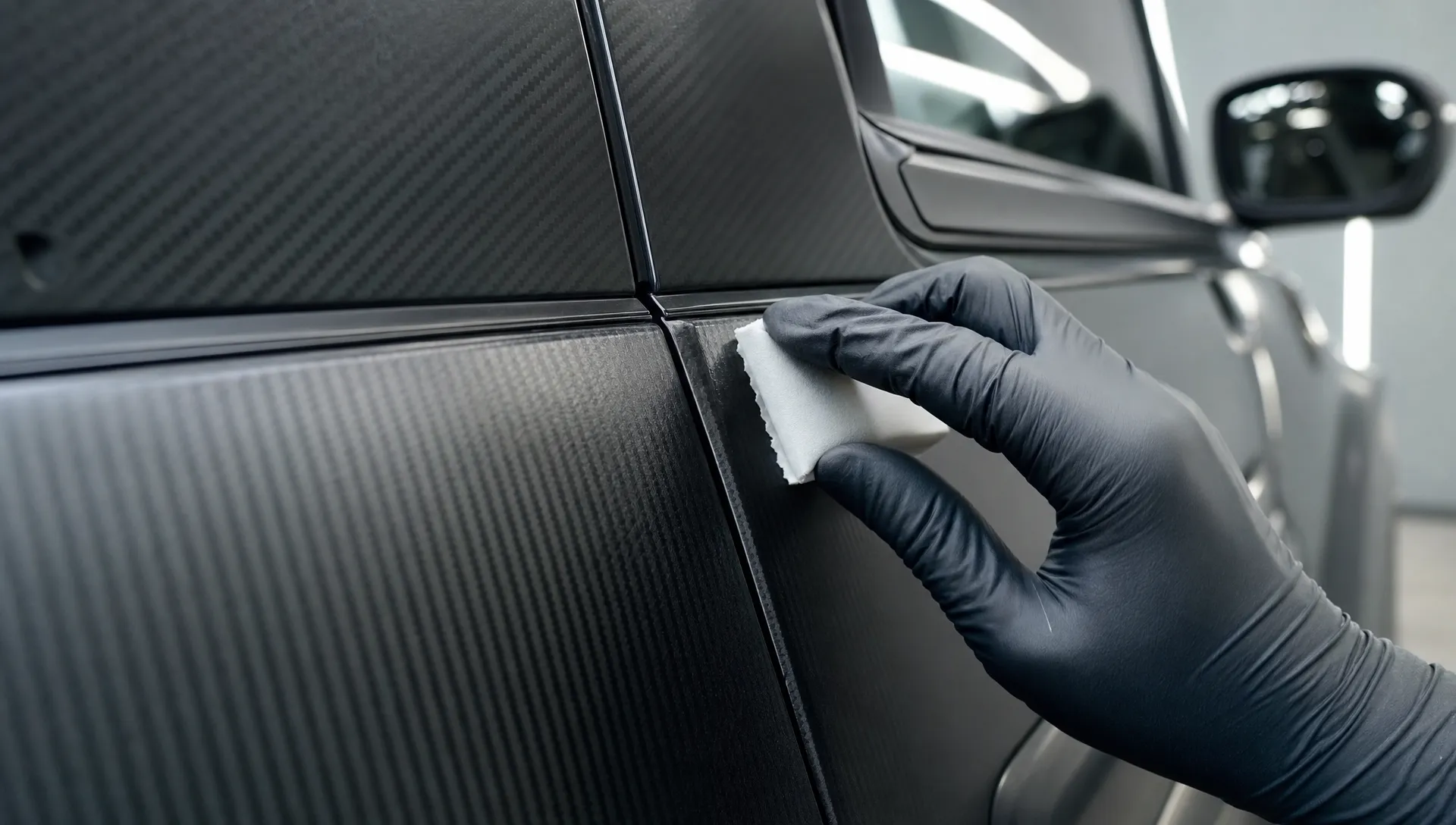
Can You Apply Ceramic Coating Over a Vinyl Wrap?
Yes, you can apply ceramic coating over a vinyl wrap, but it should not be treated like coating bare paint. A vinyl film is softer, more flexible and more sensitive to chemicals than factory clear coat. For drivers comparing ceramic coating vinyl wrap protection with leaving the film bare, the real question is whether the wrap is compatible, properly installed and prepared with the right products.
Done correctly, coating a wrapped car can make washing easier, reduce staining, improve UV resistance and preserve the finish for longer. Done badly, it can cause streaking, patchy gloss, edge build-up or unwanted changes to a matte or satin surface. That difference comes down to film condition, installer skill and aftercare.
The short answer: yes, if the wrap is ready
Ceramic coating can sit on top of most quality vinyl wraps, including gloss, satin and many matte finishes. It forms a thin protective layer over the film rather than bonding to the paint underneath. That means it protects the wrap surface from daily contamination, water spotting, road grime, bird droppings and light wash marks.
In practical terms, a ceramic coating vinyl wrap setup is a topcoat for the film, not a replacement for the wrap itself. If the vinyl is low quality, poorly installed, lifting at the edges or already oxidised, coating will not fix those problems. It may even make defects more obvious because ceramic coatings tend to enhance the surface they are applied to.
A professional detailer will usually inspect the wrap first, check edge adhesion, clean the film with vinyl-safe products and test how the coating reacts on a discreet area. This is especially important for matte, satin, chrome, carbon-texture and colour-shift films, where visual changes are more noticeable.
When a ceramic coating vinyl wrap combination makes sense
For a daily-driven car in Singapore, a ceramic coating vinyl wrap combination is most useful when the vehicle is exposed to strong sunlight, frequent rain, tree sap, construction dust or open-air parking. These conditions are common locally, and a bare wrap can stain or lose its fresh look faster if it is not maintained carefully.
It is also a sensible option for owners who want the visual flexibility of vinyl with easier upkeep. For example, Ceramic Works has showcased premium wrap work on vehicles such as this Maserati in vinyl wrap installation, where the wrap itself delivers the colour transformation. A suitable coating then adds a sacrificial layer over that new finish.
The table below shows when coating a wrap is usually a good idea and when more caution is needed.
| Wrap condition or finish | Is ceramic coating suitable? | What to check first |
|---|---|---|
| New gloss vinyl wrap | Usually suitable | Let the film settle and inspect edges |
| New satin or matte wrap | Often suitable | Test for unwanted darkening or extra sheen |
| Textured or carbon-style vinyl | Case by case | Coating may collect unevenly in texture |
| Chrome or speciality film | Case by case | Confirm coating compatibility with the film brand |
| Old, faded or peeling wrap | Not recommended | Replace or repair the wrap before coating |
| Poorly cleaned wrap | Not recommended | Contamination can be locked under the coating |
What ceramic coating does for a wrapped car
A ceramic coating vinyl wrap finish is mainly about easier maintenance and surface protection. The coating creates a hydrophobic layer, so water beads and rolls off more readily. Dirt has less grip on the surface, which means gentle hand washing can remove grime with less friction.
That lower-friction wash process matters because vinyl is not as hard as automotive clear coat. If you scrub a dirty wrap aggressively, the film can pick up micro-marring, especially on gloss colours. A coated wrap is not scratch-proof, but it can reduce the amount of pressure needed during routine cleaning.
Ceramic coating can also help slow the cosmetic effects of UV exposure. Singapore’s heat and sunlight can be harsh on exterior surfaces, and a wrap that sits outside every day needs more help than one parked indoors. The coating is not a permanent shield, but it gives the vinyl an additional barrier against oxidation and staining.
On gloss wraps, coating often adds depth and slickness. On matte and satin wraps, the goal is different. A good application should preserve the intended finish as much as possible, but some coatings may slightly deepen the colour or add a mild sheen. This is why a test spot is not optional.
What ceramic coating cannot do over vinyl
A ceramic coating vinyl wrap treatment has limits. It cannot stop stone chips the way paint protection film can. It cannot prevent cuts from sharp objects, repair a torn panel or save a wrap that is already failing. It also cannot make a cheap film behave like a premium cast vinyl.
It is helpful to think of the coating as the first line of defence, not the full armour. Bird droppings, tree sap and industrial fallout should still be removed quickly. The coating buys you more time and makes cleaning easier, but acidic contamination can still leave marks if it sits too long in heat.
The coating also does not protect the factory paint directly. Since it sits on top of the vinyl, it will usually be removed together with the wrap when the film is taken off. If your main concern is direct paint protection from chips, a PPF solution may be more appropriate for high-impact areas such as the bonnet, bumper and side mirrors.
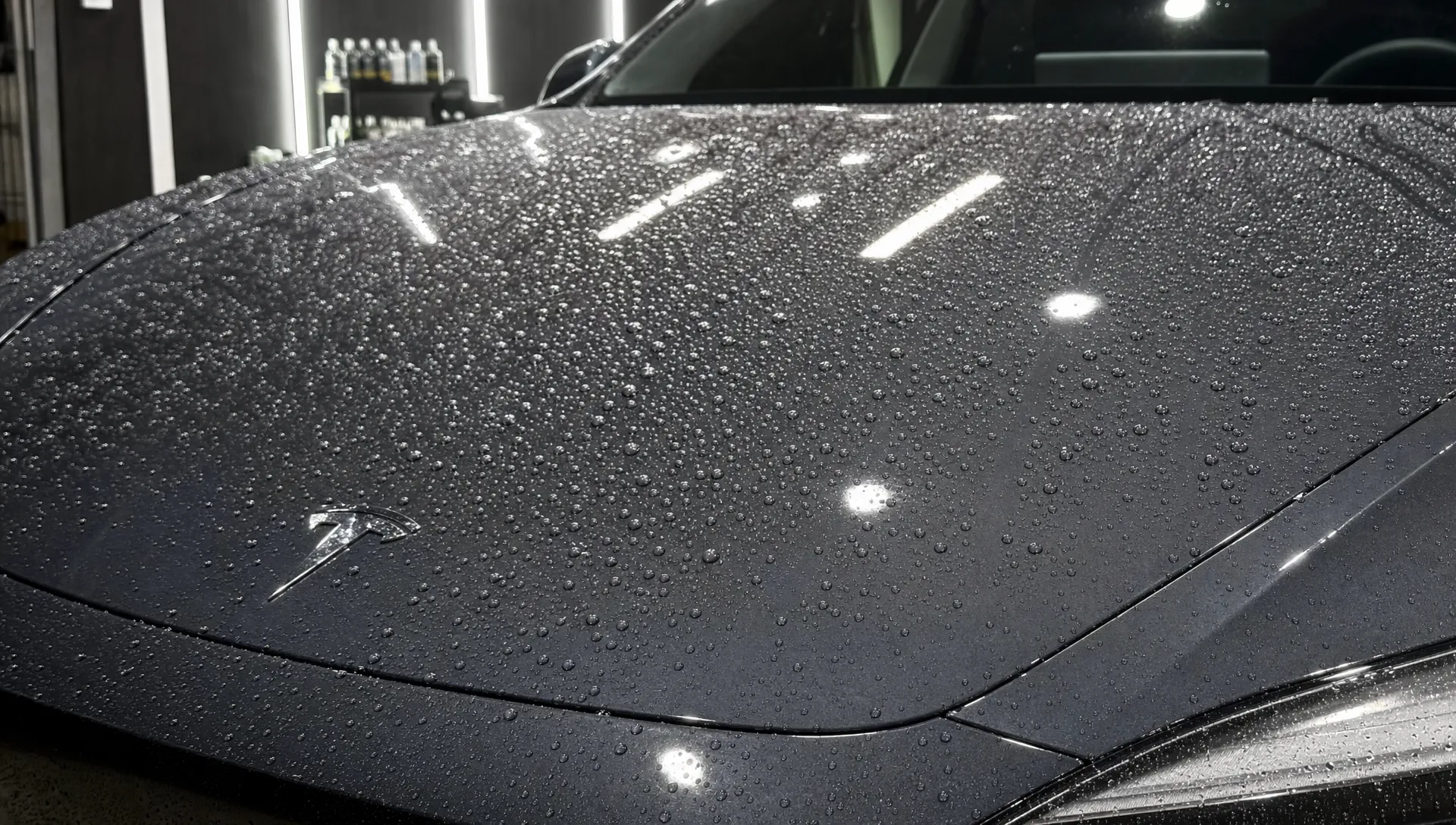
How professionals apply ceramic coating over a wrap
Professional application starts before the coating bottle is opened. The detailer needs to know what type of vinyl is on the car, how long it has been installed and whether the surface has any adhesives, stains, waxes or sealants on it. If the wrap was installed recently, the installer may recommend waiting until the film and adhesive have settled.
The same process discipline used by technical service providers focused on engineering process control applies here: identify the material, control the environment, inspect the surface and verify the result before handover. Coating a wrap is not complicated, but it is unforgiving if preparation is rushed.
A typical professional workflow looks like this:
Wash the vehicle using a wrap-safe shampoo and soft wash media
Remove bonded contamination with non-abrasive, vinyl-safe methods
Inspect seams, corners, edges and recessed areas for lifting
Test the coating on a discreet panel, especially on matte or satin vinyl
Apply thin, even layers in a controlled indoor environment
Level residue carefully to avoid high spots or streaks
Allow the coating to cure according to the product and installer guidance
Ceramic Works uses trained detailers for KubeBond nano ceramic coating and related auto care services. If you want to see how coating can complement wrapped surfaces, this BMW 540i coated with KubeBond ceramic coating is a useful example of the finish and protection owners often look for.
When you should not coat a vinyl wrap
Not every car is a good candidate. If a vinyl wrap is peeling, shrinking, chalky, cracked or stained deeply, a ceramic coating vinyl wrap application may seal in the problem without improving the appearance. In those cases, replacement or partial rewrapping is usually the cleaner answer.
You should also pause if the wrap has just been installed and the edges have not settled. Fresh film can continue to release trapped moisture or air, and aggressive surface preparation too early can disturb the adhesive. Your installer should advise the right waiting period based on the film, installation conditions and panel complexity.
Be careful with unknown coatings sold for paint only. Some products are too grabby on vinyl or difficult to level across textured films. On matte surfaces, the wrong coating can create glossy patches that are hard to correct without replacing the panel. If the car has a speciality finish, always ask for a compatibility test first.
DIY application can work for experienced owners on simple gloss wraps, but the risk of uneven curing, missed residue, and stained trim is higher. For new car owners or anyone with a premium wrap, professional application is usually the safer route.
Aftercare for a coated vinyl wrap
A ceramic coating vinyl wrap setup still needs proper washing. The coating reduces effort, but harsh chemicals and rough tools can shorten the life of both the coating and the film. Use a pH-neutral shampoo, clean microfibre towels and a gentle wash process. Avoid automatic brush washes, abrasive compounds and strong solvents unless your detailer confirms they are safe.
If the car is freshly coated, follow the curing instructions given by the applicator before washing or exposing the surface to heavy contamination. During the first few days, the coating may still be hardening. Parking under shelter during this period can help.
For ongoing care, rinse the car thoroughly before touching it, wash from top to bottom and dry with a clean towel to reduce water spots. If you already have a coated car and want a careful cleaning routine, this guide on how to wash a car with ceramic coating without damaging it applies well to wrapped vehicles too, with the added reminder to be gentle around film edges.
Ceramic coating vs PPF vs vinyl wrap
These three products are often discussed together, but they do different jobs. Vinyl wrap changes the car’s colour or finish while offering light surface coverage. Paint protection film is thicker and designed to absorb stone chips and road rash. Ceramic coating is a thin protective layer that improves slickness, gloss, hydrophobic behaviour and cleaning ease.
A ceramic coating vinyl wrap package is ideal when you like the look of vinyl and want to keep it cleaner for longer. A PPF plus ceramic coating package is better when chip resistance is the priority. Some owners combine solutions, using PPF on high-impact panels, vinyl for styling and ceramic coating as the final maintenance layer.
For Singapore drivers, the best choice often depends on parking habits, mileage and how long you plan to keep the vehicle. A weekend car parked indoors has different needs from a daily commuter parked near trees or construction areas.
Frequently Asked Questions
Can ceramic coating damage a vinyl wrap? It should not damage a compatible, properly installed wrap when applied correctly. Problems usually come from poor preparation, unsuitable products, heavy residue, coating over damaged film or skipping a test spot on matte and specialty finishes.
Will ceramic coating make a matte wrap glossy? It can slightly deepen the colour or add a mild sheen depending on the coating and film. If preserving a true matte look matters to you, ask your detailer to test a hidden area before full application.
How long should I wait before coating a new wrap? Follow your wrap installer’s guidance. Many installers prefer the film to settle first so edges, adhesive and trapped moisture can stabilise before any coating or intensive cleaning is done.
Does coating a wrap make it scratch-proof? No. A ceramic coating vinyl wrap surface is easier to wash and more resistant to light contamination, but it can still be scratched by grit, rough towels, careless washing or sharp objects.
Can I remove the vinyl wrap after it has been coated? Yes, a coated wrap can usually still be removed by a professional. The coating sits on the wrap surface, so it normally comes off together with the film rather than staying on the paint.
Protect your wrapped car the right way
If your vinyl wrap is new, premium and professionally installed, coating it can be a smart upgrade. The best results come from using a product suited to film, testing the finish first and maintaining the surface with gentle washing.
Ceramic Works provides professional car paint protection, vinyl wrapping, PPF, detailing and KubeBond nano ceramic coating services in Singapore. If you are considering a ceramic coating vinyl wrap service for your car, request an assessment so a trained detailer can inspect the film, explain the options and recommend the safest approach for your finish.