
How to Choose a New Car Paint Protection Package
A new car feels protected simply because it is new. The paint is glossy, the panels are clean and every reflection looks sharp. In Singapore, that fresh finish can start collecting fine swirls, water spots, bird droppings, brake dust and road film within weeks if it is not protected properly.
Choosing a new car paint protection package is not about picking the most expensive option or the package with the boldest claim. The right choice depends on how you park, how often you drive, how long you plan to keep the car and how much physical protection you expect.
This guide breaks down what new car owners should compare before committing, so you can protect the paint while it is still in its best condition.
Start With What You Need Protection From
A good paint protection package should match the real risks your car faces. In Singapore, those risks are usually a mix of harsh UV exposure, humidity, frequent rain, contaminants from roads and car parks, tight parking spaces and regular washing.
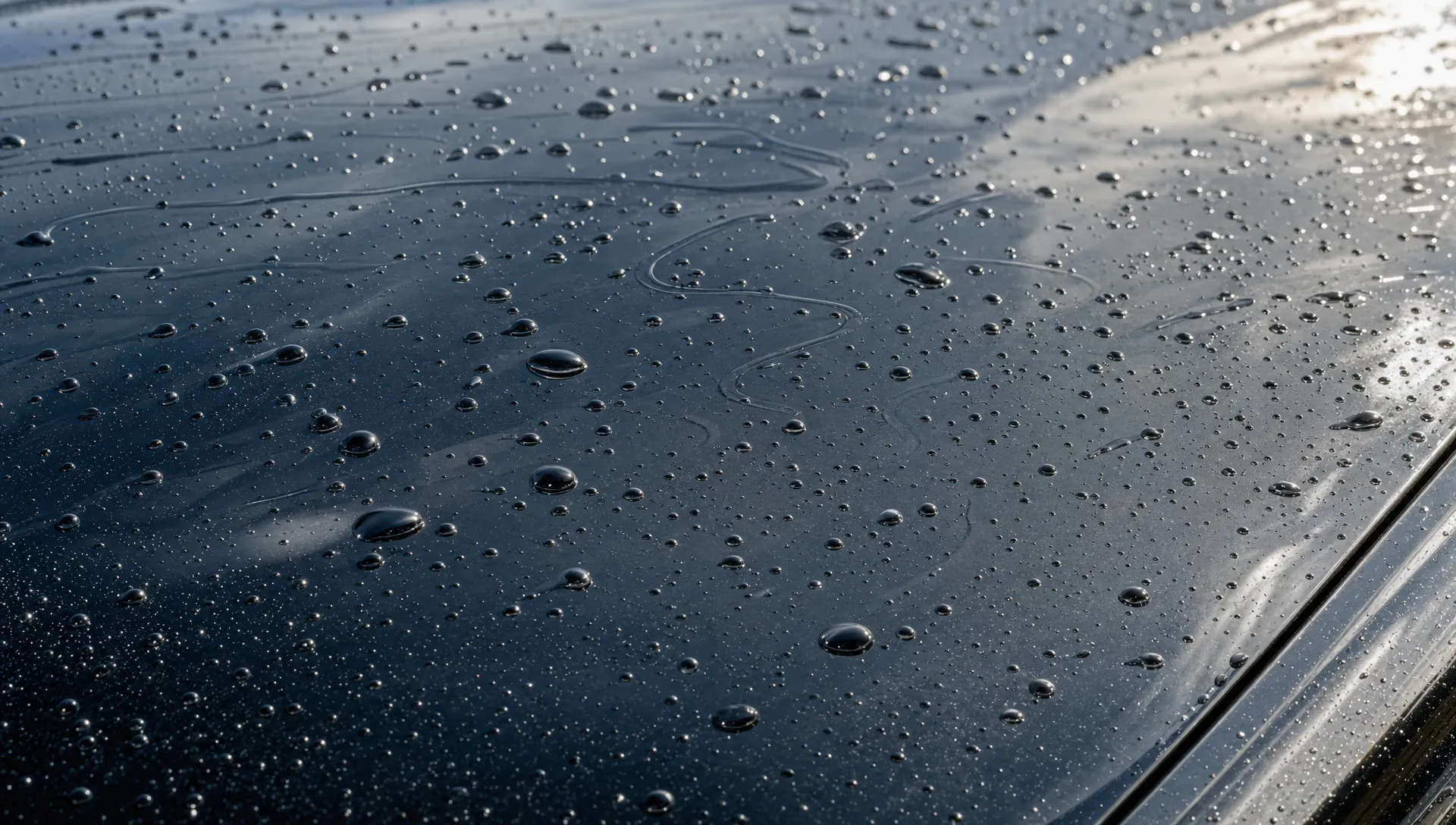
Ceramic coating, paint protection film and detailing all help in different ways. They are not interchangeable. Ceramic coating creates a slick, glossy, hydrophobic surface that helps reduce the bonding of grime, water marks and contaminants. Paint protection film, often called PPF, adds a physical layer over the paint to absorb impact from light scratches, road debris and minor abrasions. Detailing and paint correction prepare the surface so the protection bonds properly and looks its best.
No package makes paint indestructible. A coating will not stop stone chips like a film can. PPF will not replace the easy-clean behaviour and deep gloss that many owners want from a quality coating. The smartest package uses the right material in the right places.
Know the Main New Car Paint Protection Options
Most packages combine one or more of the following options. Before comparing quotes, make sure you understand what each one is meant to do.
| Protection option | Best for | Main advantage | Limitation to understand |
|---|---|---|---|
| Wax or paint sealant | Short-term shine and basic protection | Lower initial cost and quick application | Usually shorter lasting than ceramic coating |
| Ceramic coating | Gloss, water repellency, UV resistance and easier washing | Bonds to the paint and creates a slick protective surface | Does not prevent stone chips or deeper scratches |
| Paint protection film | High-impact areas such as bumpers, bonnet edges, mirrors and door edges | Physical barrier against chips, abrasions and scuffs | Higher investment and installation quality matters greatly |
| Ceramic coating plus PPF | Owners who want both gloss and impact protection | Covers both chemical resistance and physical protection | Needs proper planning and panel selection |
| Vinyl wrap or colour PPF | Appearance change with added surface protection depending on material | Changes the car’s look while helping preserve original paint | Not every material offers the same protection level |
If you are deciding whether ceramic coating is worth it for your driving routine, Ceramic Works has a deeper breakdown of the ceramic coating benefits every Singapore car owner should know.
Match the Package to How You Use the Car
A weekend car parked in a sheltered garage does not need the same approach as a daily driver parked in an open HDB car park. Start with your usage pattern, then work backwards to the protection level.
| Your situation | Sensible package direction | Why it makes sense |
|---|---|---|
| Daily commuter, exposed parking | Quality ceramic coating with proper prep | Helps with UV exposure, rain, grime and frequent washing |
| Dark-coloured new car | Ceramic coating plus careful paint inspection | Dark paint shows swirls, water spots and haze more easily |
| Expressway driving or premium car | PPF on impact zones plus coating on remaining paint | Reduces chip risk while keeping the full car easier to clean |
| Family car with tight car park use | PPF on vulnerable contact points | Door cups, edges and bumper loading areas see frequent contact |
| Short-term ownership | Entry or mid-level coating package | Keeps the car presentable without over-investing |
| Long-term ownership | Premium coating or hybrid coating and PPF package | Better value if you want to preserve paint over several years |
If the car regularly sits under trees, near construction areas or in open-air parking, protection becomes more important. Bird droppings, tree sap and mineral deposits can etch into paint if left for too long. A coating buys you more resistance and easier cleaning, but prompt maintenance still matters.
Inspect the Paint Before Applying Any Protection
New paint is not always flawless. Cars can pick up wash swirls, water spots, sanding marks or transport-related defects before handover. Some dealerships also do a quick polish or wash before delivery, which may leave fine marks under strong lighting.
Ceramic coating enhances gloss, but it also highlights what is underneath. If swirl marks or haze are already present, coating over them can lock in an imperfect finish. That is why inspection and preparation are a critical part of any serious package.
For many new cars, the preparation may involve a safe wash, chemical decontamination, clay treatment and light machine polishing. For cars with more visible defects, proper correction may be needed before coating. Ceramic Works explains this in more detail in its guide on when your car needs paint correction before ceramic coating.
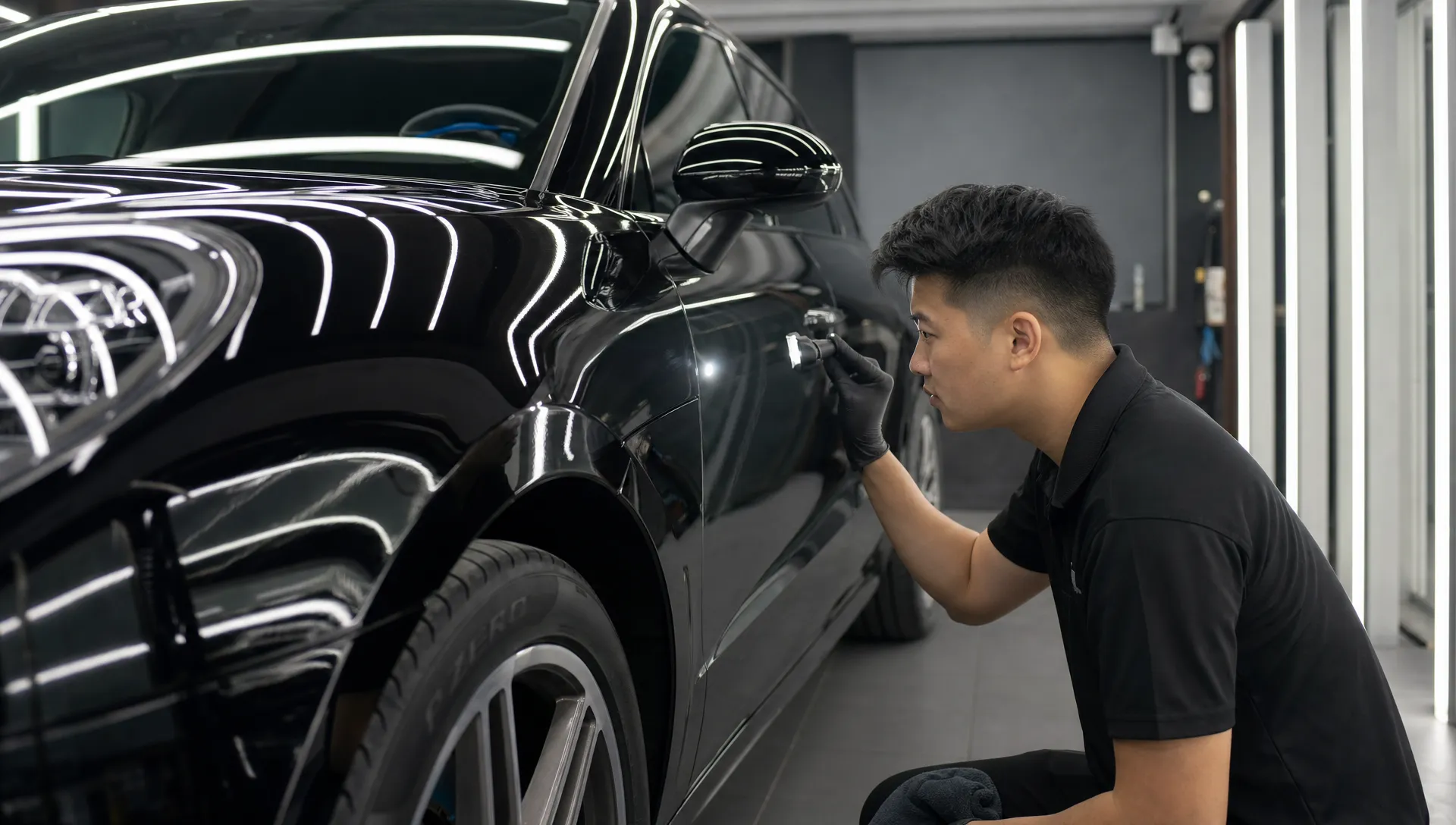
Ask the installer to inspect the paint under detailing lights before confirming the package. A quick look under showroom lighting is not enough because bright overhead lamps can hide defects that become obvious in sunlight.
Compare Packages by What Is Included, Not Just the Label
Two packages may both say “ceramic coating”, but the work included can be very different. One may include thorough decontamination and machine polishing. Another may include only a basic wash and application. The final result depends heavily on preparation, installer skill and curing conditions.
Buying a paint protection package should be treated like any considered purchase. Good shoppers compare the seller, product details, service terms and after-sales support, much like someone comparing categories and delivery terms on Sandhai’s UAE online shopping marketplace. For car paint protection, that same discipline matters even more because the labour behind the package is just as important as the product name.
A professional package should be clear about the following:
- Surface preparation steps before coating or film installation
- Whether paint correction is included or charged separately
- Which panels are covered by coating, PPF or both
- Product system used and whether it has recognised certification or compliance signals
- Installer training and experience with the material
- Curing time, collection timing and aftercare instructions
- Maintenance requirements after installation
Ceramic Works specialises in KubeBond nano ceramic coating, paint protection film, detailing and related car care services. KubeBond is positioned as an internationally used coating system, and the site highlights SGS and REACH certification signals. Those are useful trust markers, but the quality of the final result still depends on correct preparation and application by trained detailers.
Ask These Questions Before You Commit
A reliable detailer should be able to answer practical questions without hiding behind marketing terms. Use the table below when comparing packages.
| Question to ask | Why it matters |
|---|---|
| What preparation is included before protection is applied? | Proper bonding and gloss depend on clean, corrected paint |
| Will the car be inspected under detailing lights? | Defects are easier to spot before the coating or film goes on |
| Is paint correction included for a new car? | New cars can still have wash marks, haze or dealer prep defects |
| Which panels receive PPF if I choose a film package? | High-impact areas should be prioritised if budget is limited |
| Can ceramic coating be applied over the selected PPF? | Some owners want both film protection and easier cleaning |
| What should I avoid during the curing period? | Washing too soon or using harsh chemicals can affect performance |
| What maintenance is required to keep the finish performing well? | Good aftercare helps preserve gloss and hydrophobic behaviour |
If a shop cannot explain the preparation process, be cautious. The surface preparation is often where the difference between a cheap job and a professional result becomes visible.
Do Not Get Distracted by Layer Count Alone
Many new car owners compare packages by the number of coating layers. More layers can be useful when they are part of a proper product system, but layer count alone does not guarantee better protection.
A well-prepared single or dual-layer application can outperform a poorly prepared multi-layer job. If the surface is contaminated, oily or full of defects, extra layers will not fix the underlying problem. Ask what each layer does, whether it is a base coat, top coat or maintenance layer and how the installer ensures proper curing between applications.
The same applies to hardness claims. Terms like 9H are often used in ceramic coating marketing, but they should not be treated as a promise that the car cannot be scratched. A coating can improve resistance against light wash marring and chemical contamination, but careless washing, sharp objects and road debris can still damage the surface.
Decide Whether You Need Ceramic Coating, PPF or Both
For many new car owners, ceramic coating is the most practical starting point. It keeps the car easier to wash, improves gloss and helps protect against environmental contamination. If your main concern is maintaining a showroom-like finish with less cleaning effort, a ceramic coating package is often a good fit.
PPF becomes more important when physical impact is the concern. Drivers who spend a lot of time on expressways, own performance cars, park in tighter areas or want to preserve original paint on high-value panels should consider film on vulnerable zones. Front bumpers, bonnet leading edges, side mirrors, door cups and door edges are common areas to discuss with your installer.
A hybrid package uses PPF where physical damage is likely and ceramic coating across the rest of the car for gloss and easy maintenance. For example, a premium car can benefit from PPF on the front-end impact zones, with ceramic coating on painted panels and possibly over compatible film surfaces. Ceramic Works’ showcase of a BMW M4 protected with KubeBond PPF gives a useful example of how film protection is applied to a car where paint preservation matters.
Factor in Your Washing Habits
Even the best paint protection package can be damaged by poor washing. Automatic brush washes, dirty cloths, harsh detergents and aggressive scrubbing can create swirls. A protected car is easier to clean, but it still needs careful maintenance.
After installation, follow the detailer’s curing instructions. Some coatings need time before washing or exposure to strong chemicals. Once the coating has settled, use gentle car shampoo, clean wash mitts and soft drying towels. Remove bird droppings, sap and heavy dirt as soon as possible because prolonged contact can still stain or etch protected surfaces.
If you do not enjoy washing the car yourself, ask whether the package includes or supports maintenance detailing. A good maintenance routine can keep the coating slick, glossy and hydrophobic for longer.
Compare Total Value, Not Only Upfront Price
Price matters, but it should not be the only decision point. A low-cost package may look attractive until you realise it excludes paint correction, covers fewer panels, uses a shorter-lasting product or provides little aftercare guidance.
When comparing quotes, look at the total value:
- Time spent on preparation
- Product quality and suitability for your needs
- Experience of the applicator
- Coverage area and panel details
- Aftercare support
- Realistic maintenance expectations
For a new car, the best time to protect the paint is early, before the surface collects deeper defects. That does not mean rushing into the first package offered at delivery. Take time to compare what is actually included and choose the option that fits your ownership plan.
A Simple Decision Framework
If you want a straightforward way to choose, use this framework.
Choose a ceramic coating package if your priorities are gloss, easier washing, water repellency and resistance against UV exposure and contaminants.
Choose a PPF package if your main concern is stone chips, scuffs, scratches and high-impact panel protection.
Choose a hybrid package if the car is new, valuable or likely to be kept for several years, and you want both physical protection and easier long-term maintenance.
Choose a lighter package if the car is parked indoors most of the time, driven occasionally or likely to be sold soon.
Choose a more complete package if the car is exposed daily, dark-coloured, expensive to repaint or important to you as an enthusiast.
Frequently Asked Questions
Is paint protection necessary for a brand-new car? It is not compulsory, but it is often the best time to apply protection because the paint has fewer defects. Early protection helps preserve gloss and makes routine cleaning easier.
Should I choose ceramic coating or PPF for a new car? Choose ceramic coating for gloss, hydrophobic behaviour and easier maintenance. Choose PPF for physical impact protection against chips, scuffs and abrasions. Many owners choose both for stronger coverage.
Does ceramic coating stop scratches? Ceramic coating can improve resistance to light wash marring, but it does not make paint scratch-proof. Sharp objects, poor washing and road debris can still damage the surface.
Does a new car need paint correction before coating? Sometimes, yes. New cars can have light swirls, water spots or dealer prep marks. A proper inspection will show whether light polishing or more detailed correction is needed before coating.
How do I maintain a protected car in Singapore? Wash with gentle products, avoid automatic brush washes, dry with clean towels and remove bird droppings or sap quickly. Follow the installer’s curing and maintenance instructions after application.
Protect Your New Car Before the Damage Builds Up
A new car paint protection package should be chosen with your driving habits, parking conditions and expectations in mind. Ceramic coating, PPF and detailing each solve different problems, and the best result usually comes from matching the right protection to the right panels.
If you are taking delivery of a new car in Singapore, Ceramic Works can inspect the paint and recommend a suitable combination of KubeBond nano ceramic coating, paint protection film and detailing services. Ask for a no-obligation quote before the car starts collecting the usual marks of daily driving.