
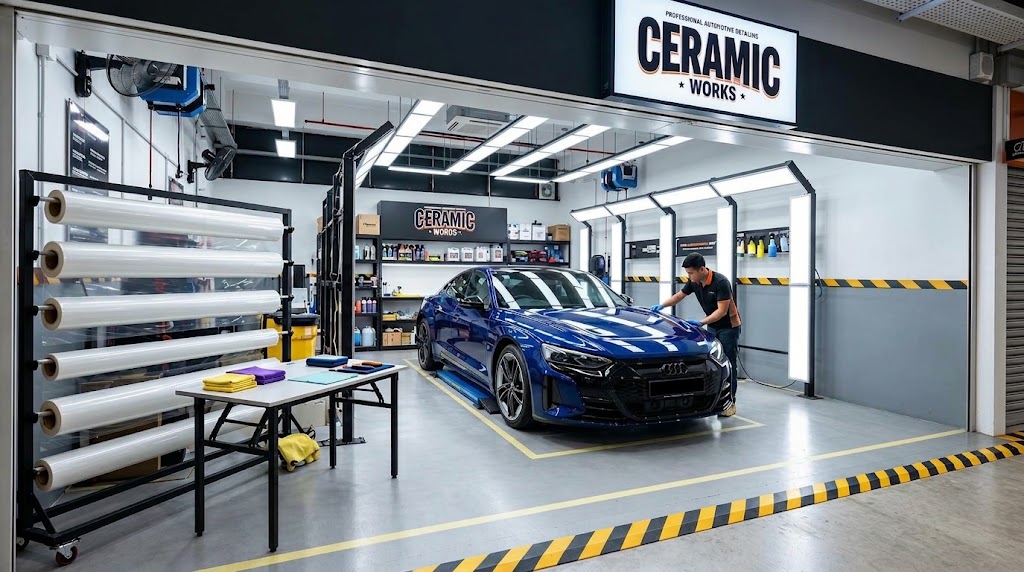
Is Car Film Protection Worth It for Singapore Drivers?
For many Singapore drivers, a car is not a casual purchase. Between COE, insurance, parking, maintenance and the pride that comes with keeping a vehicle in good condition, it makes sense to ask whether car film protection is worth paying for or just another detailing upsell.
The short answer: car film protection is worth it for many Singapore drivers, especially if the car is new, frequently parked outdoors, driven on expressways or has paintwork you want to keep looking sharp for years. It is less compelling if the car already has heavily worn paint, you plan to sell soon or you expect film to stop every dent and deep scratch.
The real decision is not simply “film or no film”. It is choosing the right type of protection, the right coverage area and a workshop that applies it properly.
What car film protection actually means
In Singapore, “car film” can mean a few different products. Some drivers use the term for solar film on windows, while others mean paint protection film on body panels. For paintwork, the product most people are asking about is paint protection film, often shortened to PPF.
PPF is a transparent protective layer applied over painted panels. It acts as a sacrificial barrier against everyday wear such as stone chips, light scratches, road debris, minor scuffs, insect stains, bird droppings and wash marks. Instead of the paint taking the damage first, the film absorbs much of the impact.
This is different from ceramic coating. A ceramic coating is a liquid-applied protective layer that bonds to the paint and helps with gloss, water beading, easier washing and resistance against contaminants. It is excellent for maintenance and shine, but it is not a physical film that can absorb stone chips in the same way PPF can. If you are still comparing the two, Ceramic Works has a helpful guide on ceramic coating benefits for Singapore car owners.
| Protection type | Where it is applied | Best for | What it cannot do |
|---|---|---|---|
| Paint protection film (PPF) | Painted body panels | Stone chips, light scratches, scuffs and high-contact areas | Stop dents, deep cuts or collision damage |
| Ceramic coating | Painted surfaces, sometimes wheels and trim | Gloss, hydrophobic effect and easier cleaning | Replace physical film protection against impact chips |
| Solar film | Glass windows | Heat reduction, glare control and cabin comfort | Protect exterior paint panels |
| Vinyl wrap | Exterior panels | Colour change and styling | Provide the same impact resistance as quality PPF |
For drivers who care mainly about keeping paint clean and glossy, ceramic coating may be enough. For drivers worried about chips, scratches and high-contact damage, PPF is the more direct answer.
Why Singapore conditions make paint protection more relevant
Singapore may not have harsh winters or gravel roads everywhere, but the local environment is still tough on car paint.
The National Environment Agency tracks UV Index levels in Singapore, and midday sun exposure can be intense. UV radiation contributes to fading, oxidation and a duller finish over time, especially on cars parked in open-air carparks or driven daily during peak sun hours.
Heavy rain, humidity and heat also create a cycle of wet and dry contamination. Water spots can bake onto paint under the sun. Road grime, tree sap, bird droppings and industrial fallout can cling to panels. If they are not removed properly, they may stain or etch the surface.
Then there is the daily reality of Singapore driving: tight multi-storey carparks, narrow ramps, construction zones, expressway debris, busy drop-off points and frequent stop-start traffic. These do not destroy paint overnight, but they slowly add chips, fine scratches and contact marks.
For a driver who washes carefully and parks under shelter, the damage may be minimal. For a daily driver that lives outdoors and does regular expressway mileage, car film protection can prevent the paint from ageing faster than expected.
When car film protection is worth it
Car film protection becomes easier to justify when the car is new or the paint is still in excellent condition. PPF works best when it preserves good paint, not when it is used to hide years of neglect.
It is especially worth considering if you drive a new car and intend to keep it for several years. In Singapore, many owners think in terms of the COE cycle. If you are planning to keep a car for a meaningful part of its lifespan, protecting the original finish early can help maintain its appearance and reduce the need for cosmetic touch-ups.
It also makes sense for darker paint colours. Black, dark blue, deep grey and other rich colours show swirls, chips and stains more clearly than lighter colours. PPF will not make dark paint maintenance-free, but it gives the surface more resistance against the kind of small defects that stand out under sunlight.
High-mileage drivers benefit too. If you often use expressways, drive behind trucks or pass through roadwork areas, the front bumper, bonnet, side mirrors and lower panels face more debris. Partial film coverage on these high-impact zones can be a practical middle ground.
Car enthusiasts and meticulous owners may value PPF for a different reason: peace of mind. If small chips or scuffs bother you every time you wash the car, film protection can reduce the stress of daily use. You still need to care for the vehicle, but you are less exposed to the disappointment of seeing fresh paint collect damage within months.
When it may not be worth the cost
PPF is not the right choice for every driver.
If the paint is already chipped, oxidised, badly scratched or poorly repainted, film installation may not deliver the clean result you expect. The surface usually needs proper preparation first. In some cases, paint correction or panel repair should be done before any protective layer goes on.
It may also be unnecessary if you are selling the car soon. PPF makes more sense when you can enjoy the protection over time. If your ownership horizon is short, a professional detailing session or ceramic coating may provide a better balance of cost and visible improvement.
Budget also matters. Full car PPF is more costly than partial coverage because it uses more material and requires more labour. If you mainly want easier washing and gloss, a professional ceramic coating can be the more efficient choice. For new car owners still deciding how much protection is enough, this guide on choosing a new car paint protection package explains how to match protection to your ownership plans.
Finally, do not buy film expecting it to perform like armour. It will not prevent dents from door impacts, stop all deep scratches or make poor washing habits harmless. It reduces risk, but it does not remove the need for careful maintenance.
Full car film or partial coverage?
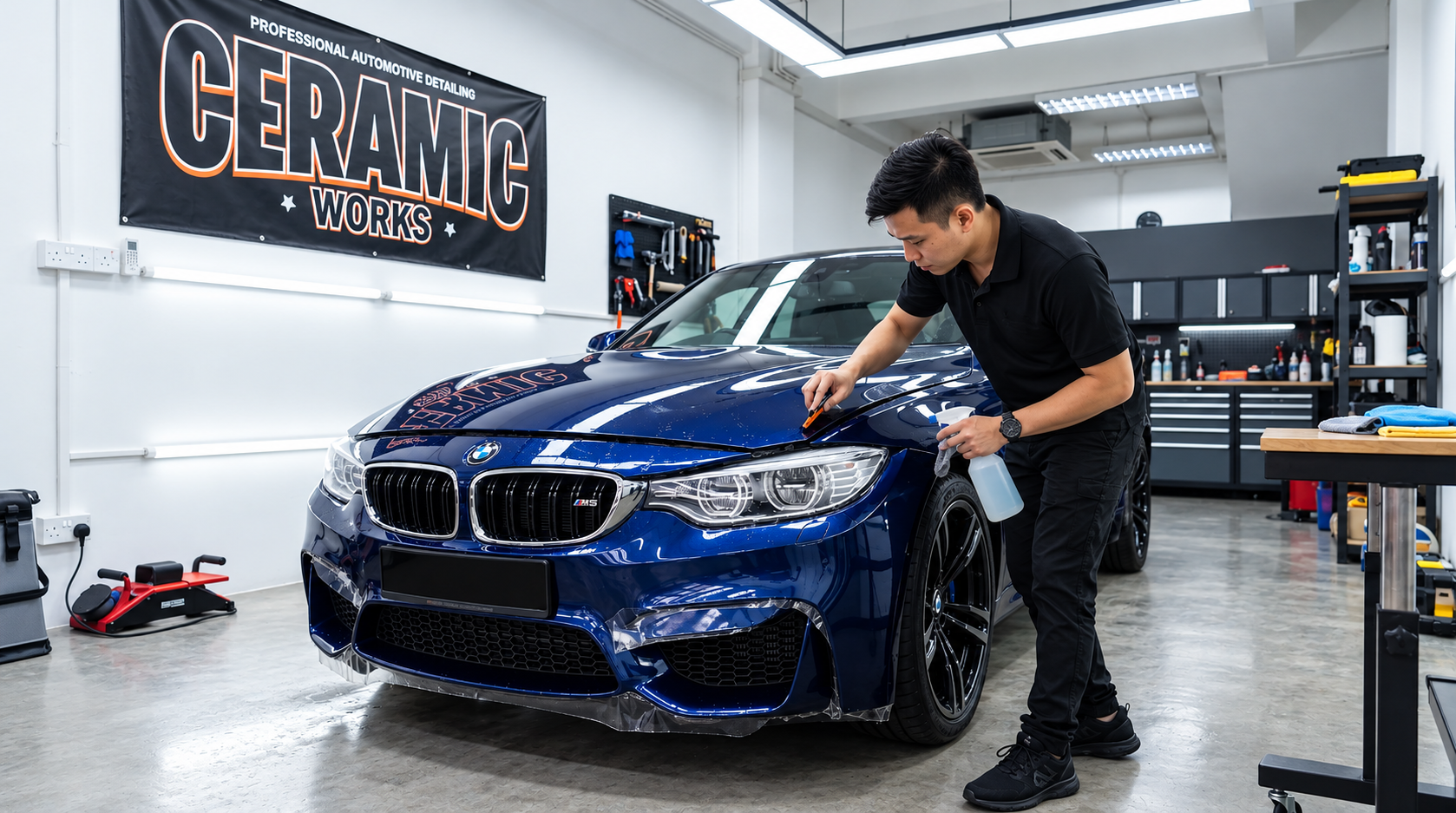
One of the biggest choices is how much of the car to cover. Full body PPF gives the most complete protection, but many Singapore drivers choose targeted coverage for the areas most likely to be damaged.
The front bumper is usually the first panel to consider because it faces road debris directly. The bonnet, side mirrors, headlights, door cups and door edges are also common areas for chips and scuffs. These zones see frequent contact from stones, fingernails, bags, rings and accidental brushing in carparks.
| Coverage option | Best suited for | Practical benefit |
|---|---|---|
| Front bumper only | Budget-conscious owners who want basic impact protection | Protects the most exposed panel from road debris |
| Front package | Daily drivers and expressway users | Covers bumper, bonnet area and mirrors where chips are common |
| High-contact areas | Family cars, ride-heavy use and tight parking situations | Protects door cups, edges, boot ledge and other touch points |
| Full car PPF | Enthusiasts, luxury cars and owners who want maximum paint preservation | Gives consistent protection across most painted panels |
Partial coverage is often enough for sensible protection. Full car coverage is best for drivers who want consistent film protection across the entire vehicle or who are especially particular about preserving the original finish.
The cost-benefit test for Singapore drivers
Since prices vary by vehicle size, film type, coverage area and installation quality, the better question is not “how much does it cost?” but “what damage am I likely to avoid?”
A bumper respray may restore colour, but it can also bring downtime, paint matching concerns and the loss of original paint on that panel. Repeated touch-ups can become frustrating, especially on cars with complex paint colours or glossy dark finishes. PPF does not guarantee that you will never need repairs, but it can reduce the frequency of cosmetic damage reaching the paint.
Think about four factors before deciding:
Your parking situation: Outdoor parking, open-air lots and tight shared carparks increase exposure to sun, contaminants and contact marks.
Your driving pattern: Expressway driving, construction zones and frequent city traffic raise the chance of chips and front-end wear.
Your car value and paint condition: Newer cars, premium cars and well-kept paintwork usually justify better protection.
Your tolerance for cosmetic defects: If small chips bother you, the peace of mind may be part of the value.
For a lightly used car that is always sheltered, partial PPF or ceramic coating may be enough. For a new daily driver that sees constant sun, rain, road debris and carpark exposure, car film protection becomes much easier to justify.
Installation quality matters as much as the film
A good film installed badly can still disappoint. Edges, seams, trapped dirt, stretch marks and lifting corners affect both appearance and durability. This is why the workshop’s preparation and application process matter.
Before choosing an installer, ask what surface preparation is included. Paint should be washed, decontaminated and assessed before film is applied. If correction is needed, it should be discussed before installation, not discovered after the film is already on the car.
Ask how the panels are covered. Some installations use pre-cut patterns, while others involve customised fitting depending on the vehicle and panel shape. The best approach depends on the car, but the installer should be able to explain where edges will sit, whether they can be wrapped and how visible seams will be.
You should also ask about aftercare. PPF still needs proper washing, gentle drying and timely removal of bird droppings or sap. A hydrophobic surface can make cleaning easier, but it is not a licence to ignore contamination for weeks.
Looking at real work helps. For example, Ceramic Works has showcased vehicles such as a black Tesla wrapped with KubeBond ION PPF, which gives owners a clearer idea of how film looks on darker paint.
PPF, ceramic coating or both?
Some owners choose either PPF or ceramic coating. Others combine both.
PPF provides the physical barrier. Ceramic coating adds slickness, gloss and easier maintenance. A combined setup can make sense when you want impact protection on vulnerable panels and a hydrophobic finish across the car. In some cases, drivers apply PPF to high-impact areas and ceramic coating to the rest of the vehicle.
This blended approach is often practical in Singapore. It gives protection where damage is most likely and easier cleaning where daily grime builds up. It also avoids the cost of full body film if you do not need every panel covered.
Ceramic Works specialises in KubeBond nano ceramic coating and also offers paint protection film, car grooming, solar film and vinyl wrapping. The right recommendation should depend on your car’s condition, your use case and how long you plan to keep it, rather than a one-size-fits-all package.
So, is car film protection worth it?
For many Singapore drivers, yes. Car film protection is worth it when you view it as paint preservation, not just cosmetic enhancement. It helps protect the finish from the type of damage that happens gradually through daily driving, parking and weather exposure.
It is most worthwhile for new car owners, enthusiasts, dark-coloured cars, premium vehicles, expressway drivers and anyone planning to keep the car looking fresh for years. It may be less necessary for older cars with tired paint, short-term ownership or drivers who mainly want gloss and easier washing.
The smartest approach is to match the protection level to the risk. You may not need full car PPF. You may only need the front end, high-contact areas or a ceramic coating package. A good detailer should help you choose based on how you actually use the car.
Frequently Asked Questions
Does car film protection stop scratches completely? No. Paint protection film can resist many light scratches and scuffs, but it cannot stop every deep scratch, sharp object or impact. It reduces the chance of damage reaching the paint.
Is PPF better than ceramic coating? PPF is better for physical protection against chips and scuffs. Ceramic coating is better for gloss, water beading and easier cleaning. Many drivers use them together for different benefits.
Should I install car film protection on a brand-new car? Yes, if you want to preserve the original paint before chips and stains appear. New paint in good condition is the best starting point for PPF.
Can car film protection be removed later? Quality PPF can usually be removed by trained professionals, but removal should not be treated as a DIY job. Proper technique reduces the risk of adhesive residue or paint issues.
Is partial PPF enough for Singapore roads? For many drivers, partial PPF on the front bumper, bonnet area, mirrors and door touch points is a practical option. Full car PPF is better for maximum coverage, but not everyone needs it.
Get the right protection for your car
If you are deciding whether car film protection is worth it for your vehicle, start with your paint condition, driving habits and parking environment. Ceramic Works can assess your car and recommend a suitable option, whether that is KubeBond paint protection film, nano ceramic coating or a combination of services.
To explore the right protection for your car in Singapore, visit Ceramic Works and request a no-obligation quote.