
Paint Protection Film: Is It Worth It for Your Car?
Paint protection film is one of those upgrades many car owners consider only after the first stone chip, door ding or deep scratch appears. By then, the question changes from “Should I protect the paint?” to “Can this still be repaired cleanly?”
For new car owners in Singapore, the decision is more practical than cosmetic. Our roads, multi-storey car parks, heat, heavy rain, tree sap, bird droppings and constant washing can age a car’s finish faster than expected. Paint protection film, often called PPF, is designed to take the abuse before your clear coat does.
So, is paint protection film worth it for your car? For many owners, yes, especially if you drive a new car, a high-value car or a car you plan to keep in excellent condition. But it is not the right answer for every vehicle, every budget or every panel. The key is understanding what PPF does well, where ceramic coating may be enough and how to choose coverage that fits the way you actually use your car.
What Is Paint Protection Film?
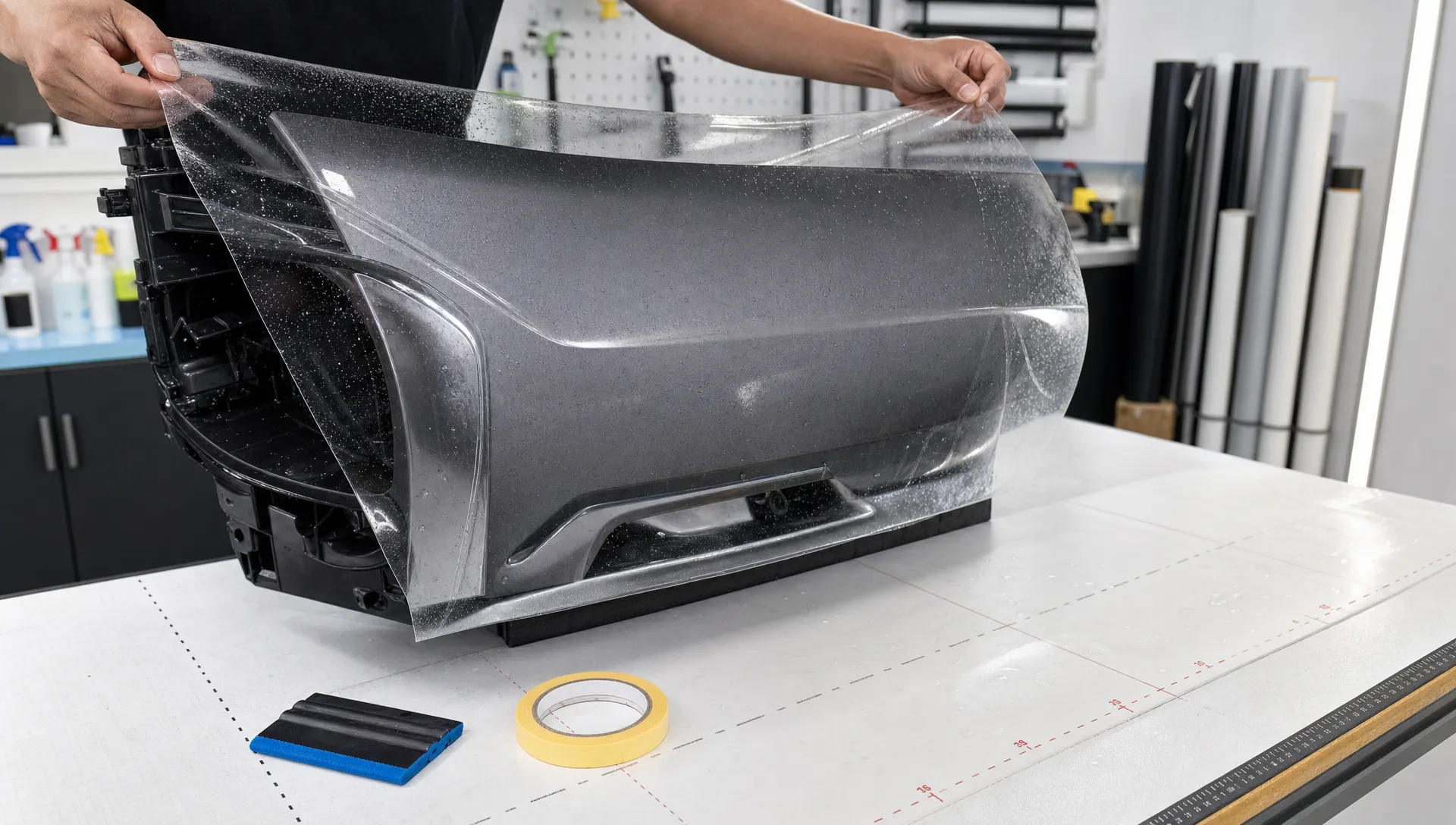
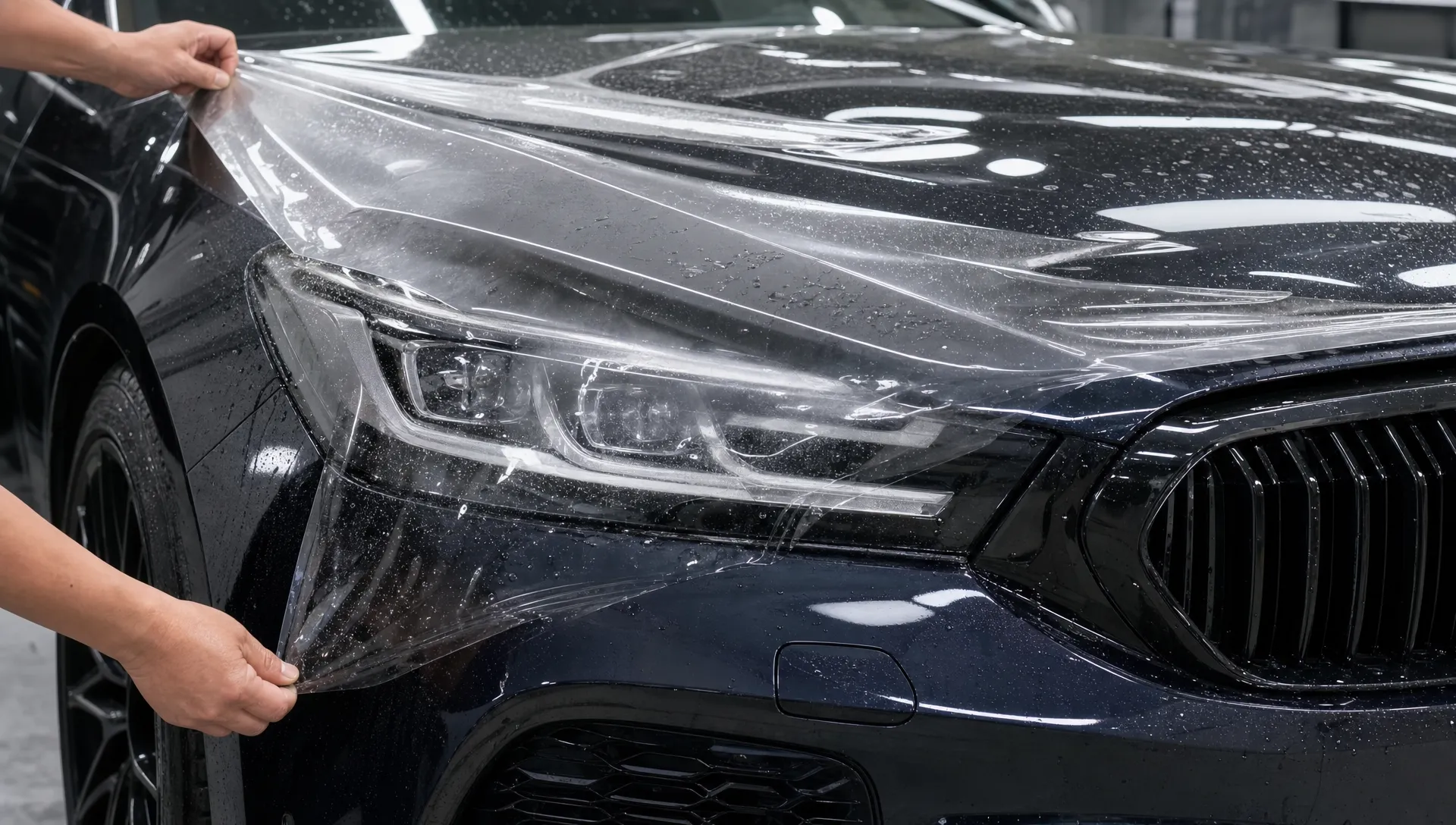
Paint protection film is a transparent polyurethane film applied over painted surfaces to create a physical barrier between your car and the outside world. Unlike waxes, sealants or ceramic coatings, PPF has thickness and impact absorption. That is why it is commonly used on high-impact areas such as the front bumper, bonnet, side mirrors, headlights, door edges and rocker panels.
A quality PPF installation should look clean, smooth and nearly invisible when applied properly. The best result depends on three things: the film quality, the installer’s preparation and the accuracy of the application. Poor installation can leave visible edges, trapped dust, stretch marks or lifting corners, which is why PPF is not a product you should judge by film alone.
Modern PPF can also come in gloss, matte or coloured finishes depending on the product. Some films are paired with coatings for easier washing and extra surface slickness. Ceramic Works, for example, offers PPF alongside professional ceramic coating and detailing services, which allows owners to match their protection level to their car’s condition and usage.
What Does Paint Protection Film Protect Against?
PPF is most valuable because it protects against damage that liquid coatings cannot physically stop. A ceramic coating can improve gloss, hydrophobic behaviour and resistance to environmental contaminants, but it will not absorb the force of gravel hitting your bumper at speed. PPF is built for that mechanical protection.
The most common threats PPF helps reduce include stone chips from expressway driving, scratches from light contact, scuffs near door cups, minor abrasions from washing and wear on high-touch areas. It also helps shield paint from UV exposure, road grime, bug splatter and stains that may otherwise bond to the clear coat if left too long.
That said, PPF is not magic. It will not make a car immune to dents, deep cuts, accidents or heavy scraping against a wall. A sharp object, hard impact or poor parking incident can still damage both the film and the paint underneath. Think of PPF as a sacrificial layer: it takes damage so your paint has a better chance of staying intact.
PPF vs Ceramic Coating: Which One Do You Need?
Many car owners compare paint protection film with ceramic coating as if they are direct competitors. They are better understood as different tools.
Ceramic coating is a liquid-applied protective layer that bonds to the paint and improves gloss, water beading, slickness and ease of washing. It is excellent for owners who want their car to stay cleaner for longer and look glossy with less effort. PPF, on the other hand, adds a physical film that absorbs light scratches, chips and abrasions.
If your main concern is swirl marks, UV, water spots and easier maintenance, ceramic coating may already meet your needs. If you are worried about stone chips, front-end damage, door edge scuffs or scratches from daily use, PPF offers a level of protection ceramic coating cannot replace.
For many Singapore drivers, the strongest setup is not “PPF or ceramic coating”, but PPF on impact-prone areas and ceramic coating on the rest of the vehicle. Some owners also coat over PPF to improve slickness and maintenance. If you are comparing options for a new car, this guide on choosing a new car paint protection package is a useful next read because it explains how to match protection to your needs before damage begins.
| Protection type | Best for | Main limitation |
|---|---|---|
| Wax or sealant | Short-term shine and basic water repellency | Needs frequent reapplication and offers little impact protection |
| Ceramic coating | Gloss, easier washing, UV and contaminant resistance | Does not stop stone chips or heavier scratches |
| Paint protection film | Stone chips, scuffs, scratches and high-impact areas | Higher upfront cost and requires skilled installation |
| PPF plus ceramic coating | Maximum paint preservation and easier maintenance | Most premium option, so coverage should be planned carefully |
When Paint Protection Film Is Worth It
Paint protection film makes the most sense when the cost of preventing damage is lower than the cost, stress or disappointment of repairing it later. That calculation changes depending on your car, parking habits and expectations.
PPF is usually worth it for new cars because the paint is still clean and free from chips. Once damage appears, installation becomes more complicated. Chips may need touch-up first, scratches may need correction and some defects can still show under the film if they are not addressed properly.
It is also worth considering if you own a luxury car, performance car, EV, rare colour, dark-coloured vehicle or any car with paint you care deeply about preserving. Dark paint often shows chips and scratches more clearly. High-gloss black panels can look stunning when new but become frustrating if they pick up visible marks early.
Daily drivers can benefit too. In Singapore, even a normal commute may involve expressways, roadworks, tight car parks, motorcycles filtering closely and frequent exposure to rain followed by strong sun. If your car spends a lot of time outside or on the road, the front bumper and bonnet take a steady beating.
PPF is also practical if you are particular about resale presentation. Buyers often judge a car’s condition within seconds, and a front end full of chips can make an otherwise well-maintained vehicle feel tired. PPF helps preserve that “well cared for” impression, especially when removed or replaced correctly at the right time.
When PPF May Not Be Worth It
PPF is not always the most sensible investment. If your car already has heavy paint damage, peeling clear coat, poor respray work or deep scratches, applying film over those defects will not fix them. In many cases, the surface should be corrected or repaired first.
If you plan to sell the car very soon, full-car PPF may not deliver enough value unless the vehicle is rare, expensive or already has a buyer profile that appreciates protected paint. A targeted package may make more sense than wrapping every panel.
Budget also matters. A good PPF job requires premium materials, careful preparation and trained hands. Choosing the cheapest installer can cost more later if the film yellows early, edges lift or removal damages weak paint. If the budget is limited, it is often better to protect the most vulnerable panels well rather than choose poor-quality full coverage.
PPF may also be excessive for owners who are relaxed about cosmetic marks. Some people see small chips as normal wear and prefer to repaint a bumper when needed. That is a valid approach, especially for older cars or vehicles used in a rougher way.
Which Areas Should You Protect First?
If you do not want full-car PPF, prioritise the panels most likely to be damaged. This is where many owners get the best value.
The front bumper is usually the first candidate because it catches stones, insects and road debris. The bonnet, front fenders and side mirrors are also exposed during expressway driving. Door cups and door edges are small areas but very practical, especially if the car is used daily by family members. The boot ledge is another useful area if you often load luggage, golf bags, prams or shopping.
For owners who want stronger coverage without wrapping the entire car, a front-end package is often the sweet spot. For owners with premium cars, special paint or long ownership plans, full-car PPF gives the most consistent protection and finish.
If you want to see how PPF looks on real vehicles rather than just reading about it, Ceramic Works has project examples such as this BMW wrapped with KubeBond ION PPF, which shows the type of application owners consider when they want both protection and a clean gloss finish.
Does Your Car Need Paint Correction Before PPF?
A common mistake is assuming PPF can hide every flaw. It can reduce the visibility of some fine marks, but it can also lock in defects if the paint is not prepared correctly. Swirls, water spots, oxidation, sanding marks and deeper scratches may remain visible under film.
For a new car, preparation may be simple: careful washing, decontamination and inspection under proper lighting. For a used car, more work may be needed before installation. If the paint has visible defects, a detailer may recommend paint correction first so the finish under the film looks as good as possible.
This is especially important because PPF is a longer-term protective layer. Once applied, you do not want to look at trapped imperfections every time sunlight hits the panel. If you are unsure whether your paint needs correction before any long-term protection, this article on when paint correction is needed before ceramic coating explains the same principle: protection performs best when the surface underneath is properly prepared.
How Long Does Paint Protection Film Last?
The lifespan of PPF depends on the film quality, installation, maintenance, parking conditions and exposure. Cars parked outdoors daily in Singapore’s sun and rain will put any protective material under more stress than cars kept mostly sheltered.
A well-installed film should stay clear, secure and attractive for years, but owners still need to care for it properly. Avoid harsh chemicals, aggressive polishing and high-pressure spraying directly at film edges. Wash the car regularly so contaminants do not sit on the surface for too long. If a section becomes damaged, it may be possible to replace that panel’s film without redoing the entire car.
Maintenance is not complicated, but it should be consistent. PPF helps protect your paint, not excuse neglect. Bird droppings, tree sap and industrial fallout should still be removed promptly, especially in Singapore’s heat where contaminants can become more aggressive.
How to Decide If PPF Is Worth It for Your Car
The easiest way to decide is to look at risk, value and personal expectations. A weekend car that is always sheltered has different needs from a daily commuter parked outdoors near trees. A new continental car with expensive paint has a different risk profile from an older runabout.
Ask yourself these questions before choosing a package:
Do you drive often on expressways or roads with ongoing construction?
Are you bothered by stone chips, scratches and visible wear?
Will you keep the car for several years?
Is the paint colour difficult or expensive to repair cleanly?
Do you park in tight spaces, public car parks or outdoor lots?
Would targeted high-impact protection be enough, or do you want full coverage?
If you answered yes to most of these, PPF is likely worth considering. If only one or two apply, a ceramic coating or a smaller PPF package may be a better match.
There is also an emotional side to ownership. Car lovers often spend time choosing the exact colour, trim, wheels and accessories because the details matter. In the same way that a car club might use custom woven labels and patches to give merchandise a more polished identity, PPF is a detail that protects the exterior identity of the car you chose. It is not always necessary, but for owners who care about finish, it can be satisfying every time the car is washed.
Common Mistakes to Avoid When Choosing PPF
The biggest mistake is shopping only by price. PPF is labour-intensive, and the installer’s skill affects the final result as much as the film itself. A cheap job with poor edges, contamination or overstretched film can make even an expensive car look unfinished.
Another mistake is applying film over unprepared paint. If a car needs correction, decontamination or touch-up, skipping that step will compromise the final appearance. New cars should still be inspected because transport, storage and dealership washing can introduce marks before delivery.
It is also worth discussing coverage clearly. Some packages wrap edges where possible for a cleaner look, while others use pre-cut patterns that may leave visible borders. Neither is automatically wrong, but you should understand what you are paying for and how the finished edges will look.
Finally, ask about aftercare. Good installers should explain washing, curing time, what to avoid and when to return for inspection if needed. PPF is a protective investment, and a few simple habits help it last longer.
Frequently Asked Questions
Is paint protection film better than ceramic coating? PPF is better for physical protection against stone chips, scuffs and light scratches. Ceramic coating is better for gloss, water beading and easier washing. Many owners use both because they solve different problems.
Should I install PPF on a brand-new car? Yes, if you want the best chance of keeping the paint chip-free from the start. New paint usually needs less correction, and protecting high-impact areas early prevents damage rather than reacting to it later.
Can PPF be removed? Quality PPF can usually be removed by a trained professional, but the condition of the original paint matters. Factory paint is generally more predictable than poor respray work, which is why inspection before installation is important.
Will PPF change how my car looks? Clear gloss PPF should preserve the original appearance when installed well. Matte, satin or coloured films can change the finish intentionally, depending on the product selected.
Do I need full-car PPF? Not always. Many owners get excellent value from protecting the front bumper, bonnet, mirrors, door cups and other high-impact areas. Full-car PPF is best for owners who want the most complete protection and a uniform finish.
So, Is Paint Protection Film Worth It?
Paint protection film is worth it if you want real physical protection for your car’s paint, especially against the everyday damage that builds up quietly over months and years. It is most valuable for new cars, high-value cars, dark paint, long-term ownership and drivers who want to keep their vehicle looking as close to showroom condition as possible.
It may not be necessary for every car, and it should not be treated as a shortcut for poor paint condition. The best results come from proper assessment, careful preparation, suitable coverage and experienced installation.
If you are deciding between PPF, ceramic coating or a combined paint protection package, Ceramic Works can help you assess your car and recommend a suitable approach based on how you drive, park and maintain it. You can request a no-obligation quote through Ceramic Works Singapore and explore professional paint protection options using KubeBond products applied by trained detailers.