
What to Expect From Car Detailing With Ceramic Coating
What to Expect From Car Detailing With Ceramic Coating
When comparing car detailing ceramic coating packages, expect more than a wash followed by a protective layer. The finished result depends on paint preparation, careful application and proper curing. Ceramic Works offers Ceramic Coating using KubeBond nano ceramic technology. Before booking, it helps to understand what the appointment should cover, which improvements are realistic and what you will need to do after collection.
What Should the Appointment Include?
A professional appointment should assess the paint, remove contamination, address agreed defects and prepare the surface before applying the coating. The exact scope varies, so do not assume every package includes extensive polishing.
| Stage | What to Expect | What to Clarify |
|---|---|---|
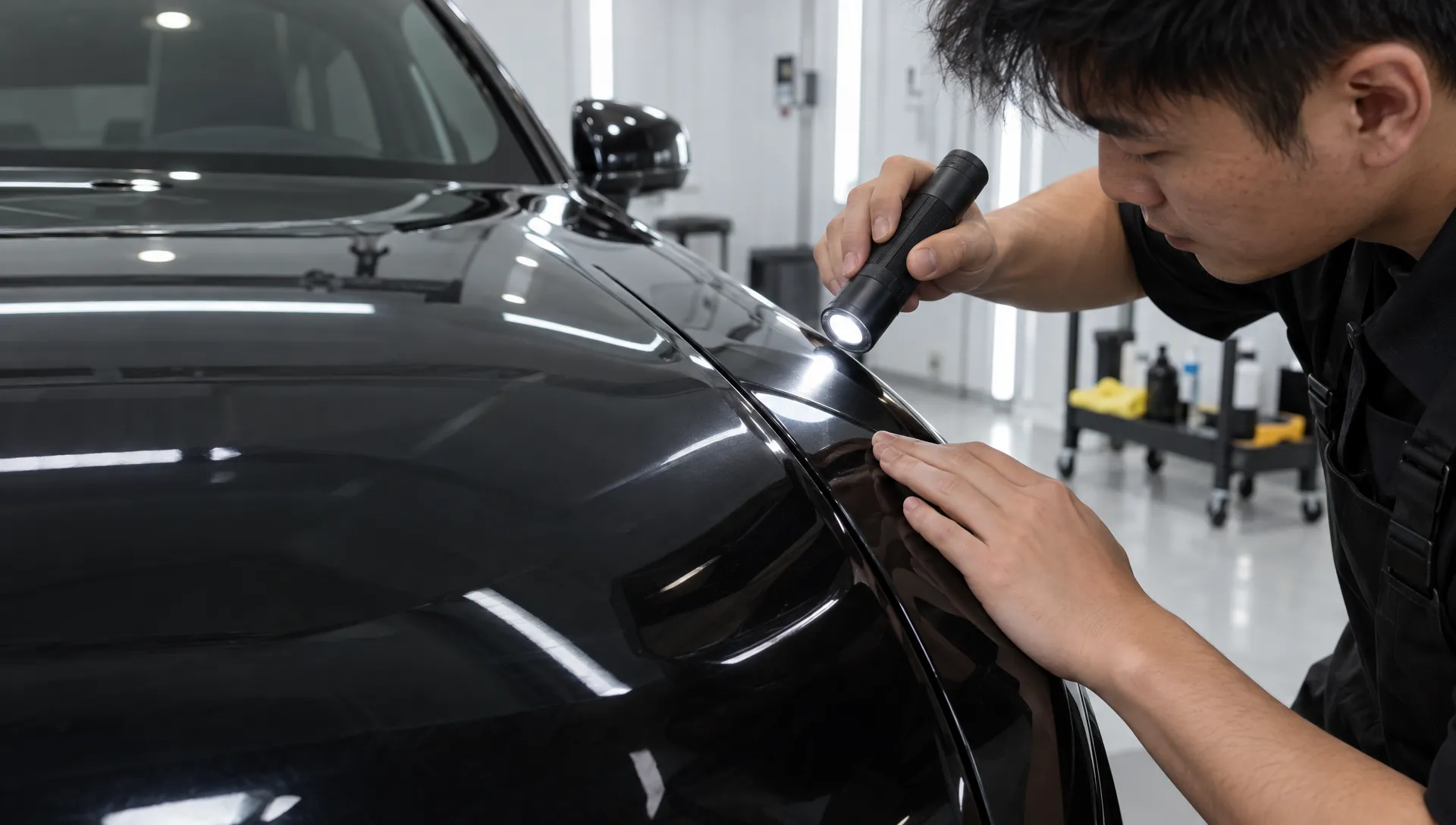
| Inspection | Assessment under suitable lighting | Existing defects and any repaint history |
| Cleaning and decontamination | Removal of dirt and bonded contamination as needed | Which preparation steps are included |
| Paint correction | Polishing to reduce agreed defects where appropriate | Whether correction is included or quoted separately |
| Surface preparation and application | Final surface cleaning followed by controlled coating application | Product used and surfaces covered |
| Curing and inspection | Protected setting time and a final finish check | Collection time and aftercare restrictions |
The coating does not remove scratches or water spots. If those defects remain after preparation, they can still be visible beneath it. Our guide to when paint correction is needed before coating explains that assessment in more detail.
Car Detailing Ceramic Coating Results: What Changes?
The most noticeable changes should be a cleaner-looking finish, stronger water repellency and easier routine washing. Much of the visual improvement comes from preparation and polishing; the coating adds protection to that prepared surface.
Realistic Benefits
A suitable coating can make it harder for some contaminants to cling and help preserve the paint’s appearance. Water often forms beads or sheets away more readily, although behaviour varies with the product, surface condition and contamination.
In Singapore, frequent rain and outdoor parking make easier cleaning useful. However, water beading does not prevent mineral deposits. Rainwater or wash water left to evaporate can still leave spots.
Limits You Should Understand
Ceramic coating is not scratch-proof, stone-chip-proof or maintenance-free. Poor washing technique can still create swirl marks, and bird droppings should still be removed promptly.
If a package advertises “9H”, ask what test supports the claim. This commonly refers to pencil-hardness testing, not the Mohs mineral-hardness scale. It should not be interpreted as protection against every object that could scratch your car.
How Long Do Application and Curing Take?
For any car detailing ceramic coating appointment, distinguish the workshop’s collection time from the coating’s full curing period. Being ready to drive does not necessarily mean the surface is ready for washing or chemical exposure.
Preparation can take longer than application, especially when the paint needs substantial correction. A relatively clean new car and an older vehicle with etched water spots should not automatically receive identical schedules.
Ask whether the work requires a same-day collection or an overnight stay. The answer should reflect the paint condition, product instructions and workshop conditions rather than a universal promise.
Before collection, obtain product-specific guidance on rain exposure, washing and contamination removal. Singapore’s weather makes this particularly relevant if you park outdoors. If the car gets wet during the restricted period, follow the detailer’s instructions rather than improvising with a strong cleaner or rubbing the surface dry.
What Should You Confirm Before Booking?
A car detailing ceramic coating quote should explain the work being purchased, not simply name the coating or count its layers. More layers do not compensate for inadequate preparation.
Ask for these points in writing:
Preparation scope: What cleaning, decontamination and polishing are included, and which defects are expected to remain?
Coverage: Which exterior surfaces will receive the coating, and which are excluded?
Timing: When can you collect the car, and what restrictions apply afterwards?
Ongoing obligations: Are inspections, maintenance visits or particular care procedures required under any warranty?
Clear package information matters online as well as at the workshop. Customer-focused e-commerce design can make booking simpler, but confirm the actual scope with the detailer before paying a deposit.
Price comparisons only become useful once preparation and coverage are comparable. A lower quote may include less correction, while a higher one should explain the additional work. If a package promises years of protection, ask how that claim relates to your parking conditions, washing habits and any maintenance requirements.
What Should Happen at Handover?
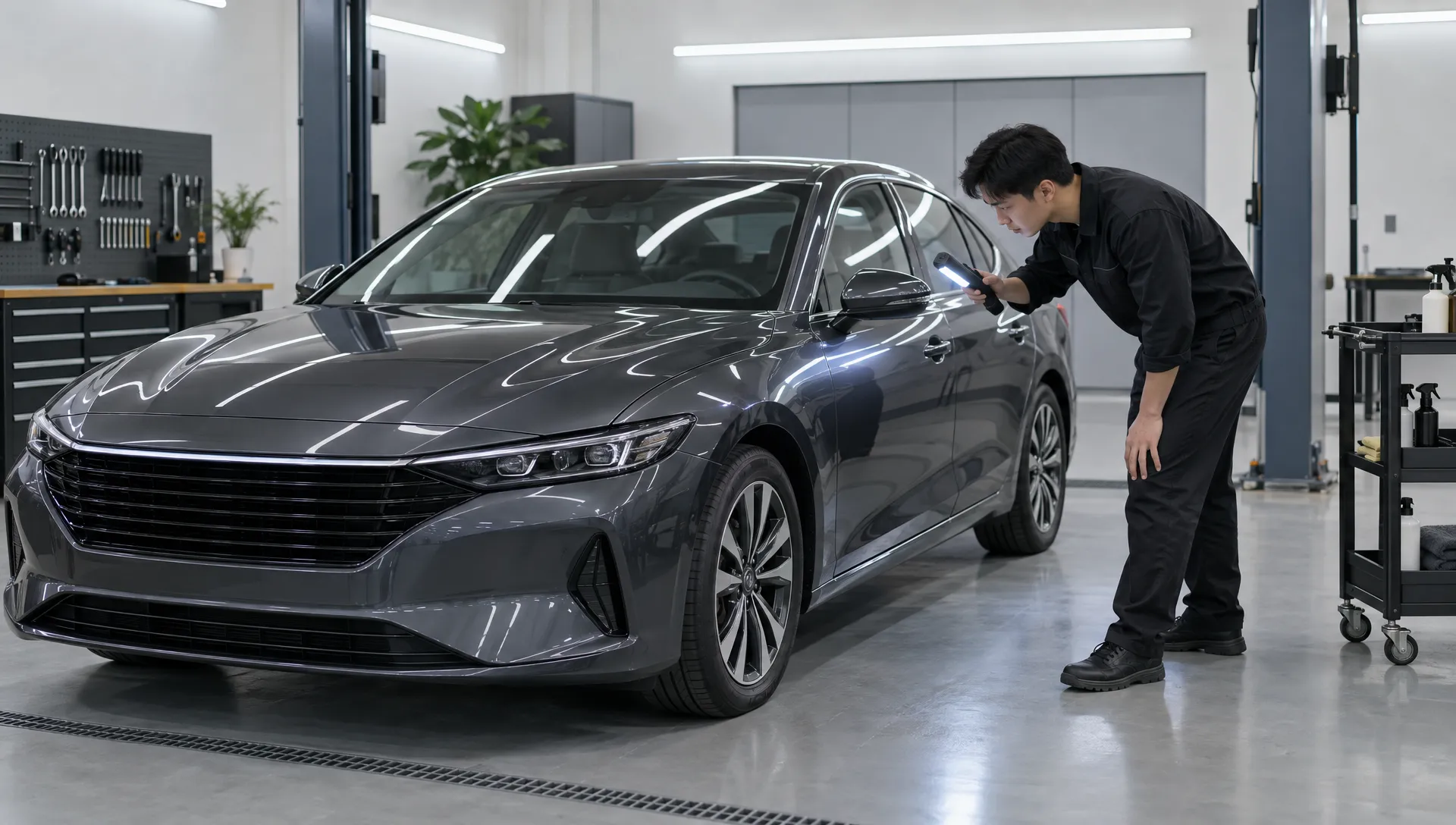
Inspect the car in good lighting with the detailer present. Look across panels from different angles rather than judging the finish only from a distance. Ask about any remaining scratches or water spots and compare them with the limitations discussed before work began.
Check for uneven-looking patches, streaks or residue around panel edges. Some coating application defects can appear as darker or rainbow-like areas, often called high spots. Raise anything unusual before leaving so the workshop can assess it.
Your handover should also include the product details, applicable warranty terms and clear care instructions. You should know when washing can resume and whom to contact if an issue appears during curing.
The useful outcome of a car detailing ceramic coating appointment is not just a glossy collection-day photograph. It is a documented finish, an understood maintenance routine and realistic expectations about protection.
Frequently Asked Questions
Is Ceramic Coating Better Than Wax?
Ceramic coating generally offers longer-lasting protection than conventional wax, but it usually involves more preparation and a higher upfront cost. Wax can suit owners who prefer a lower-cost, frequently renewed finish. Neither option eliminates washing or prevents all scratches.
Will Ceramic Coating Hide Existing Scratches?
Do not expect it to. Polishing may reduce suitable defects before application, but deep scratches can remain. A responsible detailer should explain which marks can be improved safely and which should be left rather than removing excessive clear coat.
How Often Will a Coated Car Need Washing?
There is no single interval for every car. Outdoor parking, road grime and weather affect how quickly it gets dirty. Wash when needed using the recommended method, and deal promptly with bird droppings, sap or other aggressive contamination rather than waiting for a scheduled wash.
Get the Most Out of Your Car Detailing and Ceramic Coating Investment
A worthwhile car detailing ceramic coating package starts with proper preparation and ends with clear aftercare, not just a shiny finish. Confirm the correction scope, coverage, curing requirements and maintenance terms before booking.
Request a free quote from Ceramic Works and discuss your car’s condition and parking habits. To prepare for ownership afterwards, follow our guide to washing a ceramic-coated car without damaging it.