
How to Find the Best Ceramic Coating for Your Car
If you are searching for the best ceramic coating for cars, the real question is not which bottle or brand has the loudest claim. It is which coating system, surface preparation process, and installer fit your car, your expectations and Singapore’s driving conditions.
Ceramic coating can be a smart investment for a daily driver, a new car or a weekend car you want to keep looking sharp. A good coating can make washing easier, add gloss and help protect the clear coat from UV exposure, rain, bird droppings, road grime and chemical contaminants. A poor choice, however, can leave you with short-lived water beading, visible swirl marks sealed under the coating or a warranty that sounds better than it is.
What the best ceramic coating for cars should actually do
A ceramic coating is a liquid protective layer applied over the vehicle’s clear coat. Once cured, it forms a harder, slicker surface that helps contaminants sit on top instead of bonding aggressively to the paint. It is not magic, but it can reduce the effort needed to keep a car clean and glossy.
The coating should deliver four practical outcomes: stronger gloss, better water behaviour, improved resistance against environmental contaminants and easier routine maintenance. For most owners, the best ceramic coating for cars is the one that performs consistently after months of real driving, not just the one that beads water beautifully on the day of collection.
Protection is different from perfection
Ceramic coating should not be judged only by water beading videos. Tight, round beads look satisfying, but they are only one sign of surface tension. You should also ask how the coating handles acidic residue, harsh sun, frequent rain, road film and repeated washing.
It also helps to separate paint protection from paint repair. Coating does not remove defects. If the paint already has swirls, oxidation, etching or water spots, those marks can become more visible once the coating increases gloss and reflectivity. This is why the preparation stage matters as much as the product itself.
Start with your car’s real condition
Before choosing a coating, look at the paint in strong light. A brand new car may still have transport dust, dealer wash marks or light defects from storage and delivery. A used car may have deeper swirls, bird dropping etching, hard water spots or old wax residue that must be removed first.
Even the best ceramic coating for cars cannot compensate for poor surface preparation. If defects are sealed under the coating, they stay there until the coating is polished off or naturally wears down. For that reason, a responsible detailer should inspect the paint before recommending a package.
If your car has visible defects, ask whether paint correction is needed before coating. Ceramic Works has a useful guide on when your car needs paint correction before ceramic coating, which explains why polishing may be necessary before the protective layer goes on.
New car owners should not skip inspection
Many owners assume a new car is automatically ready for coating. In reality, new paint can still carry minor scratches from washing, water spots from outdoor holding areas or bonded contaminants picked up before delivery. The car may look fine in a shaded handover bay but show defects under inspection 3q lights.
If you are coating a new vehicle, the goal is to preserve the clear coat early. That may require less correction than an older car, but it still calls for washing, decontamination, panel preparation and careful application. A detailer who inspects first is usually more trustworthy than one who sells the same process to every car.
Compare coating quality, not just marketing claims
Ceramic coating marketing can be confusing. You may see claims about hardness, layers, durability, glass-like gloss or self-cleaning performance. Some of these claims can be useful, but only when they are explained clearly.
When you compare labels, the best ceramic coating for cars should be supported by product transparency, trained application and realistic maintenance guidance. A coating described as “permanent” or “scratch proof” should make you pause. Coatings can improve resistance to fine wash marks, but they do not stop stone chips, dents or careless washing damage.
| What to check | Good sign | Warning sign |
|---|---|---|
| Paint inspection | The installer checks the car under proper lighting | Quote is given without looking at the paint |
| Surface preparation | Wash, decontamination and panel preparation are included | Coating is applied quickly over unprepared paint |
| Product claims | Durability and limits are explained plainly | Claims sound permanent or maintenance free |
| Application skill | Detailers are trained and use a controlled process | The focus is only on the number of layers |
| Aftercare | You receive washing and maintenance advice | No guidance after collection |
Certifications and standards matter, but ask what they mean
Some coating brands refer to testing, safety or chemical compliance credentials. These can be useful signals, especially when a product is used professionally. For example, SGS is a global testing, inspection and certification company, while REACH is the European Union framework covering chemical registration and safety obligations.
Do not stop at the logo. Ask what was tested, which product the certificate refers to and whether the coating used on your car is the same system being promoted. Ceramic Works specialises in KubeBond nano ceramic coating, with professional application by trained detailers, so the product and process should be discussed together rather than treated as separate items.
Match the coating to Singapore driving conditions
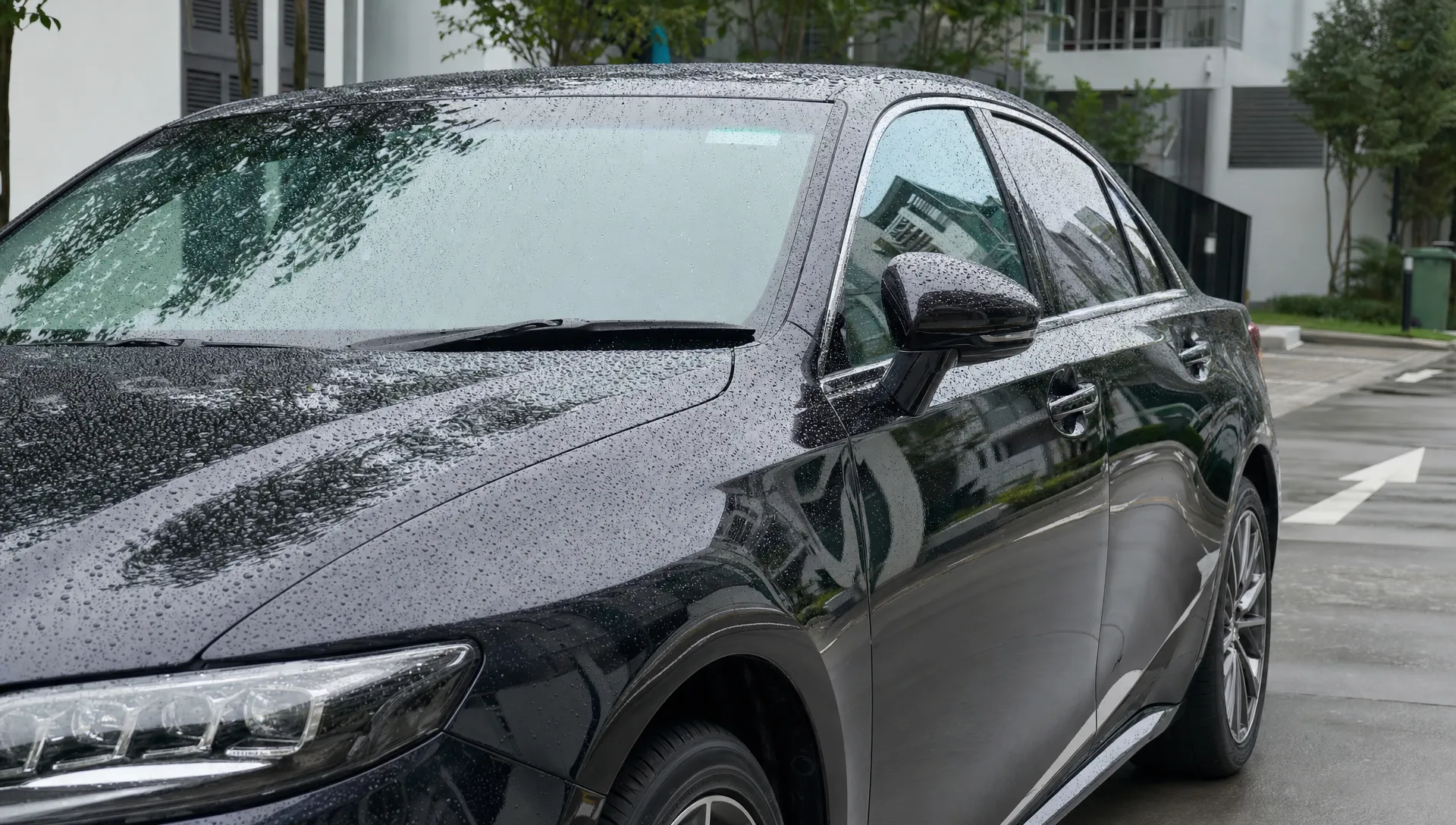
Singapore is demanding on car paint. Heat, UV exposure, humidity, sudden rain, construction dust, tree sap and bird droppings can all affect the finish. Add tight parking spaces and frequent washing, and it becomes clear why coating quality and aftercare both matter.
In Singapore, the best ceramic coating for cars is usually one that balances gloss with practical protection. If your car is parked outdoors often, UV and contaminant resistance become more important. If you drive daily in traffic or park near trees, ease of washing and chemical resistance matter. If your car is a weekend vehicle, you may care more about depth of gloss and long-term appearance.
Decide whether you need coating, PPF or both
Ceramic coating and paint protection film are not the same solution. Coating helps with gloss, slickness, hydrophobic behaviour and resistance to contaminants. Paint protection film, often called PPF, is thicker and better suited to areas exposed to stone chips, abrasion and physical impact.
For many owners, coating the whole car and applying PPF on high-risk zones can make sense. Common high-risk areas include the front bumper, bonnet edge, door cups and side mirrors. The right choice depends on budget, driving routes, parking habits and how long you plan to keep the car.
Professional coating or DIY spray coating?
DIY ceramic sprays can add slickness and water beading, and they may be suitable for owners who enjoy frequent maintenance. They are usually easier to apply, but they do not replace a professionally installed coating system with proper preparation, curing and product layering.
The best ceramic coating for cars should be chosen based on the result you expect. If you want short-term shine before a sale or a simple maintenance boost, a spray may be enough. If you want longer-lasting protection for a new or well-kept car, professional application is usually the better route.
The difference is not only the liquid used. Professional coating depends on paint inspection, decontamination, machine polishing when needed, careful panel wipe-down, controlled application and curing time. A weak installer can waste a good coating, while a skilled installer can make a quality product perform closer to its potential.
Questions to ask before booking a coating package
A good workshop should welcome practical questions. If the answers are vague, rushed or overly focused on hype, keep comparing options.
What coating product will be used on my car?
Is paint correction included or quoted separately?
How many layers are being applied and why?
What does the warranty cover and what voids it?
How long should the car avoid water after collection?
What washing method do you recommend after coating?
The best ceramic coating for cars should come with clear expectations before you hand over the keys. If a package promises many years of protection, ask how the installer defines that protection. Does it mean gloss retention, water beading, chemical resistance or all of them? These details help you compare value more fairly than price alone.
If you are comparing local options and package levels, it may help to understand how to choose the right ceramic coating package in Singapore before deciding.
Maintenance decides how long the coating performs
Ceramic coating reduces effort, but it does not remove the need for proper washing. A coated car can still collect traffic film, mineral deposits and contaminants. If those sit on the surface for too long, water behaviour and gloss can decline even though the coating is still present.
You get more from the best ceramic coating for cars if you maintain it with safe wash habits. Use a pH-appropriate car shampoo, clean wash media and gentle drying towels. Avoid aggressive brushing, dirty sponges and harsh household cleaners. After rain, rinse the car when practical, especially if it has collected road film or has been parked under trees.
For step-by-step care after installation, Ceramic Works has a dedicated guide on how to wash a car with ceramic coating without damaging it. Following the right wash routine can protect both the coating and the paint underneath.
Red flags when choosing a ceramic coating installer
The product matters, but the installer decides much of the outcome. Be cautious if a workshop sells only on hardness ratings, lifetime claims or extremely fast turnaround. Proper coating work needs time for washing, decontamination, correction when required, application and curing.
Another red flag is a quote that ignores your car’s condition. A black car with heavy swirl marks needs a different discussion from a white new car with minimal defects. If the recommendation does not change after inspection, you may not be getting a tailored solution.
Also be careful with unrealistically low prices that do not explain what is included. A lower price may leave out paint correction, proper prep or meaningful aftercare. Value is not about paying the most. It is about knowing what you are paying for and whether the result matches your expectations.
Frequently Asked Questions
How long does ceramic coating last? It depends on the product, preparation, application quality, parking conditions and washing habits. Professional coatings usually last longer than spray products, but no coating performs well forever without maintenance.
Can ceramic coating prevent scratches? Ceramic coating can improve resistance to very fine wash marks, but it is not scratch proof. It will not stop stone chips, deep scratches, dents or damage from poor washing tools.
Is ceramic coating worth it for a new car? Yes, if you want to preserve the fresh finish early and make future washing easier. A new car should still be inspected because it may already have minor swirls, water spots or bonded contaminants.
What is the best ceramic coating for cars in Singapore? The best choice is a professional coating system with proper paint preparation, credible product backing, trained installation and clear maintenance guidance for local heat, rain and road conditions.
Make the decision based on paint, use and aftercare
Finding the right ceramic coating is less about chasing the strongest slogan and more about matching the solution to your car. Inspect the paint, understand what the coating can and cannot do, compare the installer’s process and ask how to maintain the finish after collection.
Ceramic Works provides professional car paint protection and detailing services in Singapore, including KubeBond nano ceramic coating, paint protection film, grooming, solar film and vinyl wrapping. If you want a practical recommendation for your vehicle, request a no obligation quote and ask for an assessment based on your paint condition, driving habits and protection goals.